Golf Sweater Guide: Stay Warm, Move Freely, and Play Your Best
Learn how to choose the ideal golf sweater for cold-weather rounds. Compare styles, fabrics, and layering strategies that keep your swing unrestricted while protecting you from the chill.
Why a golf sweater matters: Cold muscles lose flexibility, and a restricted swing costs strokes. A well-chosen golf sweater delivers targeted warmth without bulk, so you can maintain tempo and rotation from the first tee to the final putt. This guide breaks down everything you need to know before you buy.
Understanding Golf Sweater Construction
Golf sweaters are engineered differently from casual knitwear. The best models prioritize four-way stretch, moisture-wicking fibers, and athletic tailoring that allows a full shoulder turn. Understanding these construction details helps you evaluate any sweater you encounter.
Key Fabric Technologies
- Merino wool blends: Naturally temperature-regulating, odor-resistant, and soft against the skin. Mid-range and premium golf sweaters frequently use merino blends for their balance of warmth and breathability.
- Performance synthetics (polyester, nylon, elastane): Lightweight, quick-drying, and excellent at wicking sweat. Entry-level and mid-tier options often rely on these fabrics for durability and easy care.
- Fleece-backed knits: Brushed interior traps warmth while the smooth exterior resists wind. Ideal for very cold mornings.
- Wind-resistant membranes: Some high-end tier sweaters incorporate a bonded wind-blocking layer, letting you wear a thinner garment in gusty conditions.
Fit and Mobility Considerations
A golf sweater should sit close to the body without compression. Look for raglan sleeves (which eliminate shoulder seams that restrict rotation), articulated elbows, and a dropped back hem that stays tucked during the follow-through. Avoid oversized knits that bunch around the waist and interfere with your downswing.
Types of Golf Sweaters
Different sweater styles serve different conditions and personal preferences. Here are the main categories you will encounter:
Pullover Sweater
The classic V-neck or crew-neck pullover. Easy to layer over a polo or base layer. Mid-weight options work across a wide temperature range.
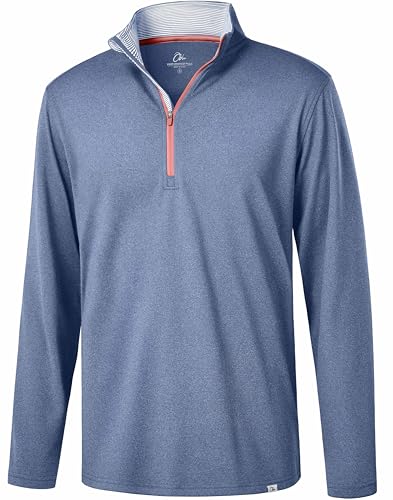
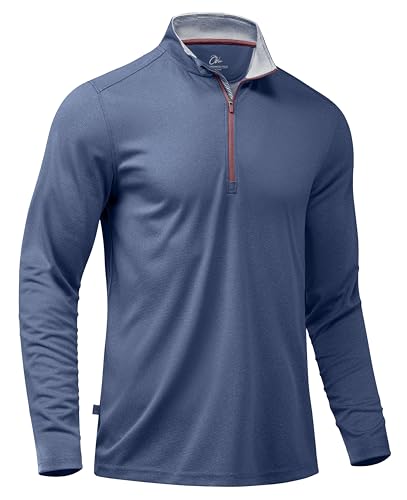
Quarter-Zip Sweater
Versatile and easy to adjust mid-round. The zip lets you vent heat without removing the layer. Popular among tour players for its convenience.
Golf Vest / Sleeveless
Keeps your core warm while leaving arms free for an unrestricted swing. Excellent as a mid-layer under a jacket on very cold days.
Cardigan Sweater
Full-button front for maximum ventilation control. Often slightly dressier, suitable for clubhouse transitions and cooler weather rounds.
Hooded Sweater
Adds head and neck warmth during early-morning or late-season rounds. Choose a low-profile hood that does not interfere with your backswing.
Tech Fleece Layer
A performance-focused hybrid between a sweater and a mid-layer. Typically lighter and more stretch-oriented than traditional knits.
How to Choose the Right Golf Sweater
Choosing a golf sweater comes down to three variables: temperature range, layering system, and swing feel. Below is a framework that helps you match a sweater to your typical playing conditions.
Match the Sweater to the Temperature
- Mild conditions (light chill): A lightweight quarter-zip or a sleeveless vest over a short-sleeve polo. Look for breathable fabrics that prevent overheating once you walk a few holes.
- Cool conditions (typical autumn/spring): A mid-weight pullover or quarter-zip in a merino blend or fleece-backed knit. This is the most versatile category.
- Cold conditions (winter rounds): Layer a thermal base layer, a golf vest, and a wind-resistant sweater. A hooded option adds neck and ear protection.
Build a Layering System
The most effective cold-weather setup uses three functional layers:
- Base layer: Moisture-wicking, snug-fitting. Choose a golf base layer that moves sweat away from your skin.
- Mid-layer (the sweater): Provides insulation. A quarter-zip or vest works best because you can vent heat without removing the garment.
- Outer layer: A windproof or waterproof shell. On dry but windy days, a wind-resistant sweater may serve as your outer layer.
If rain is forecast, pair your sweater with a golf rain suit so the outer shell blocks precipitation while the sweater maintains warmth underneath.
Prioritize Swing Freedom
Test any sweater by simulating a full swing in the fitting room—or at home before removing tags. Raise both arms overhead, rotate your torso, and check that the hem stays in place. If the sweater rides up or pulls across the shoulders, size up or choose a different cut. Raglan-sleeve designs and four-way stretch fabrics almost always outperform traditional set-in sleeves for golf-specific movement.
Quality Tiers: What to Expect at Each Level
Golf sweaters fall into distinct quality tiers. The table below summarizes what each tier typically offers so you can align your expectations with the product you are evaluating.
| Tier | Typical Materials | Best For | Key Characteristics |
|---|---|---|---|
| Entry-level | Polyester blends, basic acrylic knits | Occasional cold-weather rounds, casual players | Solid basic warmth; simpler construction; adequate stretch |
| Mid-range | Merino blends, performance synthetics with elastane | Regular cold-season players who value comfort | Better breathability, improved fit, more refined details like raglan sleeves |
| Premium | High-grade merino, technical knits, wind-resistant membranes | Dedicated golfers playing through winter | Superior temperature regulation, athletic tailoring, durable construction |
| Luxury / Professional-grade | Ultra-fine merino, engineered performance fabrics | Tour-level players and serious enthusiasts | Flagship-tier fabrics, precise fit, advanced moisture management, refined aesthetics |
Care and Maintenance Tips
- Wash cold, inside out: Preserves fabric fibers and color. Use a gentle cycle or hand wash for merino blends.
- Avoid fabric softener: It coats performance fibers and reduces moisture-wicking efficiency.
- Air dry flat: Hanging a wet sweater can stretch the shoulders. Lay it flat on a drying rack to maintain shape.
- Store folded: Hanging knits long-term distorts the shoulders. Fold and store in a drawer or shelf.
- Refresh between washes: Merino wool naturally resists odor; airing it out after a round often extends the interval between washes.
Pairing Your Sweater with the Rest of Your Gear
A golf sweater works best as part of a cohesive setup. Complement it with the right accessories and footwear to stay comfortable through all 18 holes:
- Headwear: A knit beanie or a golf hat retains heat where it matters most.
- Footwear: Waterproof golf shoes keep your feet dry when frost or morning dew is present.
- Bottoms: Pair with waterproof pants or women's golf pants depending on conditions and preference.
- Women's options: Explore women's golf outerwear and women's golf attire for cold weather for tailored fits and styles.
- Men's base layers: A golf base layer under your sweater makes a significant difference in moisture management.
Frequently Asked Questions
Merino wool blends offer the best balance of warmth, breathability, and odor resistance for most golfers. Performance synthetic blends (polyester with elastane) are a strong alternative for players who prioritize quick-drying convenience and easy care. The ideal choice depends on your climate and how often you play in cold conditions.
Wear the sweater over your polo. This allows you to remove the sweater if temperatures rise during your round. On very cold days, add a moisture-wicking base layer beneath the polo for a three-layer system that manages sweat and retains warmth effectively.
You can, but a golf-specific sweater offers meaningful advantages: four-way stretch for an unrestricted swing, raglan sleeves that reduce shoulder restriction, and moisture-wicking fabrics that handle perspiration. A standard wool sweater may feel bulky and limit rotation, especially on the backswing.
It should sit close to the body without feeling tight, allowing a full range of motion. The hem should stay in place during your swing, and the sleeves should not bunch at the wrists. Test by simulating a full swing—if the fabric pulls across the shoulders or rides up, try a different size or cut.
A quarter-zip has a short zipper at the neck that lets you vent heat without removing the layer—ideal for changing conditions during a round. A pullover is a fixed-neck design that provides consistent warmth and a cleaner silhouette. Many golfers own both and choose based on the day's forecast.
Explore More Golf Guides
Ready to Upgrade Your Cold-Weather Golf Gear?
Browse our curated selection of golf sweaters and layering essentials. Each option is evaluated for swing mobility, fabric performance, and long-term durability so you can play comfortably in any condition.
View Recommended Sweaters