Women's Golf Attire for Cold Weather: Stay Warm & Swing Free
Master the art of layering with purpose-built winter golf apparel. From moisture-wicking base layers to insulated outer shells, discover how to play comfortably and confidently when temperatures drop.
Explore the Layering System ↓Why Cold-Weather Golf Attire Matters: Playing golf in cold weather demands more than simply adding a sweater. The wrong clothing restricts your swing rotation, traps moisture against your skin, and leaves you shivering by the back nine. Purpose-built women's golf attire for cold weather is engineered with stretch fabrics, thermal regulation, and wind resistance—so you can maintain tempo, feel, and focus from the first tee to the eighteenth green.
The Three-Layer System for Women's Cold-Weather Golf
The most effective approach to dressing for cold-weather golf is the three-layer system. Each layer serves a distinct purpose, and together they create a microclimate that keeps you warm without overheating. This system allows you to add or remove layers as conditions change throughout your round—something especially important when morning frost gives way to afternoon sun.
Base Layer — Moisture Management
The foundation of your cold-weather outfit. A quality base layer sits directly against your skin and wicks perspiration away from your body, preventing that chilled, damp feeling after exertion. Look for merino wool or synthetic blends with flatlock seams that won't chafe during repetitive swings.
Mid-Layer — Thermal Insulation
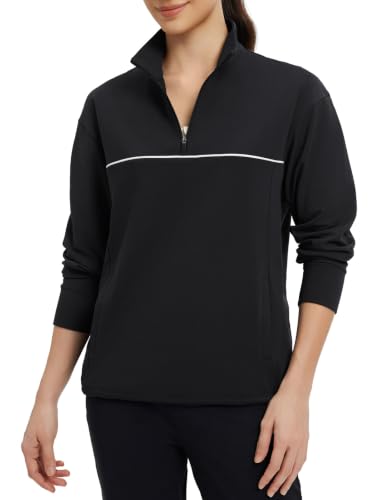
The insulation layer traps body heat while remaining breathable. Quarter-zip pullovers, fleece-lined sweaters, and lightweight insulated vests are ideal. Choose pieces with four-way stretch and articulated sleeves so your shoulders and torso can rotate freely through the swing.
Outer Shell — Weather Protection
The outermost layer defends against wind, rain, and drizzle. A waterproof, windproof golf jacket with sealed seams and a water-repellent finish is essential. Look for shells that pack down small enough to stow in your golf bag when conditions improve.
Choosing Your Cold-Weather Golf Wardrobe: Tier Guide
Cold-weather golf apparel varies widely in fabric technology, construction quality, and feature sets. The table below outlines what to expect across different market tiers so you can align your choices with your playing frequency and performance expectations.
| Layer | Tier | Key Characteristics | Best For |
|---|---|---|---|
| Base Layer | Essential | Basic synthetic blend, flatlock seams, solid moisture wicking | Casual winter rounds and occasional cold-weather play |
| Base Layer | Balanced | Merino-synthetic hybrid, odor resistance, refined seam placement | Regular winter golfers seeking comfort and durability |
| Base Layer | Premium | High-grade merino, targeted ventilation zones, superior stretch recovery | Dedicated players and competitive winter league participants |
| Mid-Layer | Essential | Basic fleece or knit, standard fit, reliable warmth | Layering for moderate cold without intense exertion |
| Mid-Layer | Balanced | Stretch panels, brushed interior, breathable insulation | Active players who walk the course and generate body heat |
| Mid-Layer | Premium | Engineered thermal mapping, lightweight insulation, packable design | Year-round golfers demanding versatility and performance |
| Outer Shell | Essential | Water-repellent finish, basic wind blocking, relaxed fit | Occasional drizzle and light wind protection |
| Outer Shell | Balanced | Fully seam-sealed, stretch fabric, adjustable hem and cuffs | Regular play in unpredictable winter weather |
| Outer Shell | Premium | Gore-Tex or equivalent membrane, athletic fit, minimal swing restriction | Serious golfers who refuse to let weather shorten their round |
Fabric Guide: What Works and What Doesn't
The fabric you choose can make or break your cold-weather round. Not all materials behave the same when temperatures drop and your body starts to perspire. Here is a breakdown of the most common fabrics found in women's winter golf apparel.
Fabrics to Embrace
- Merino Wool: Naturally temperature-regulating, odor-resistant, and soft against the skin. Merino breathes well and provides warmth even when slightly damp—a crucial property on the course.
- Polyester Blends: Excellent moisture wicking and quick-drying properties. Many golf-specific base layers use polyester with spandex for stretch. Look for brushed-back versions for added coziness.
- Polypropylene: A lightweight synthetic that moves moisture efficiently. Often used in high-performance base layers where minimal bulk is desired.
- Fleece-Backed Elastane: Provides warmth with exceptional stretch recovery. Ideal for mid-layers that need to move with your swing without sagging or bunching.
- Softshell with Membrane: Combines wind resistance, water repellency, and breathability in a single outer layer. A versatile choice for variable winter conditions.
Fabrics to Avoid
- ✗Cotton: Absorbs moisture and holds it against your skin, leading to rapid cooling and discomfort. Avoid cotton base layers, socks, and undergarments entirely.
- ✗Unstretched Wool: Traditional wool sweaters may be warm, but they restrict movement and can be itchy. Opt for merino or wool blends with stretch instead.
- ✗Non-Breathable Synthetics: Cheap rain jackets made from non-porous materials trap perspiration, leaving you clammy. Always check for breathability ratings or ventilation features.
Essential Cold-Weather Golf Accessories for Women
Your clothing layers cover the torso, but don't overlook the extremities. Hands, head, and feet are often the first to feel the chill—and cold hands, in particular, can ruin your feel and touch on the greens.
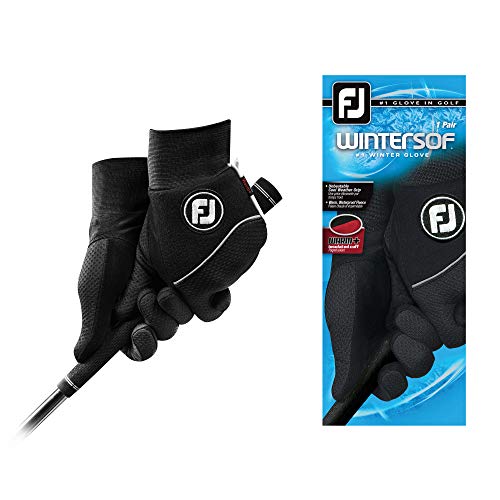
- Insulated Golf Gloves: Look for winter-specific golf gloves with thermal lining and a grippy palm. Some pairs offer a convertible design that lets you expose your fingers for putting.
- Beanie or Knit Cap: A significant amount of body heat escapes through the head. A snug, wind-resistant beanie keeps you warm without interfering with your vision or swing.
- Thermal Golf Socks: Merino or synthetic-blend socks with cushioning in the heel and toe. Avoid cotton socks, which hold moisture and accelerate cooling.
- Neck Gaiter or Snood: A versatile accessory that can be pulled up over the chin or worn loose around the neck. Look for moisture-wicking, stretch fabrics.
- Hand Warmers: Disposable or rechargeable hand warmers kept in your pockets provide quick relief between shots. Many winter golfers consider these indispensable.
- Waterproof Golf Shoes: Cold weather often means wet turf. A waterproof pair with insulated lining keeps feet dry and warm. Consider sizing up slightly to accommodate thicker socks.
- Cart Mitts: If you ride a cart, handlebar mitts or a cart-mounted heater can make the difference between a tolerable round and a miserable one.
Dressing for Different Cold-Weather Conditions
"Cold" is not a single condition. A crisp, still morning at 45°F (7°C) calls for different attire than a windy, damp afternoon at 35°F (2°C). Adjust your layering strategy to match the specific challenge.
Dry Cold (Above Freezing, Low Humidity)
Focus on insulation and breathability. A medium-weight base layer, a breathable fleece or quarter-zip, and a wind-resistant vest may be sufficient. Choose a lighter outer shell or skip it entirely if wind is minimal.
Windy Conditions
Wind strips away body heat rapidly. Prioritize a windproof outer shell—even a light one—and ensure your mid-layer has a tight weave. A neck gaiter and a hat that covers your ears become non-negotiable.
Wet or Drizzly Weather
Waterproofing is paramount. A fully seam-sealed rain jacket and waterproof pants or rain skirt are essential. Waterproof golf shoes and a rain hood for your bag round out the kit. Keep a dry towel in a plastic bag for your grips and hands.
Freezing or Near-Freezing Temperatures
This is the domain of heavyweight merino base layers, insulated mid-layers (down or synthetic fill), and a robust waterproof/windproof shell. Consider insulated golf pants or thermal tights under your regular golf trousers. Hand warmers, a thermal hat, and insulated gloves are mandatory.
Frequently Asked Questions
Play Through the Cold with Confidence
Cold weather doesn't have to mean the end of your golf season. With the right women's golf attire for cold weather—a well-planned layering system, technical fabrics, and the right accessories—you can stay warm, maintain your swing freedom, and enjoy the course when others have packed away their clubs. Invest in pieces that work together as a system, and you'll wonder why you ever let a little chill keep you indoors.