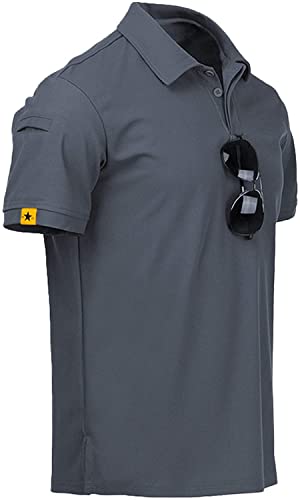
Golf Shirts for Hot Weather: Stay Cool, Dry & Focused on the Course
Playing golf in high heat and humidity demands apparel that works as hard as you do. This guide breaks down the fabrics, technologies, fits, and features that make a golf shirt truly heat-ready — so you can choose with confidence.
Why hot-weather golf shirts deserve serious attention: A standard cotton polo traps heat and moisture against your skin, leading to discomfort, chafing, and fatigue that quietly erodes your swing and focus over 18 holes. Purpose-built golf shirts for hot weather use advanced synthetic fabrics, strategic ventilation, and moisture-management treatments to regulate body temperature and keep you dry. If you are researching before a purchase, you are in the right place — this guide covers everything you need to evaluate a shirt's cooling performance, from fabric composition to UPF ratings and fit considerations.
Fabric Technologies That Keep You Cool
The single most important factor in a hot-weather golf shirt is the fabric. Modern performance textiles are engineered at the fiber level to move moisture, reflect heat, and allow air circulation. Here is what to look for:
Moisture-Wicking Synthetics
Polyester and nylon blends with hydrophilic treatments pull sweat away from the skin to the fabric surface, where it evaporates quickly. This is the foundation of any effective hot-weather shirt.
Mesh & Ventilation Panels
Laser-cut perforations and mesh inserts under the arms or across the back create targeted airflow. Look for ventilation in high-sweat zones rather than decorative mesh that does not breathe.
UPF 30–50+ Protection
Sun protection is non-negotiable in hot climates. UPF-rated fabrics block UV radiation that causes sunburn and long-term skin damage. UPF 50+ is the gold standard for extended sun exposure.
Lightweight & Stretch Fabrics
Four-way stretch and low fabric weight (often measured in grams per square meter) reduce heat retention and allow unrestricted rotation through the swing. Lighter is generally cooler, provided durability is maintained.
Quality Tiers: Entry-Level to Premium
Golf shirts for hot weather span a wide spectrum of construction quality and fabric sophistication. Using a consistent tier framework helps you set realistic expectations for performance and longevity:
| Quality Tier | What to Expect | Best For |
|---|---|---|
| Entry-Level / Budget-Friendly | Basic polyester blends, standard moisture-wicking finish, minimal ventilation, UPF 15–30. Fabric may feel slightly heavier and less breathable. | Occasional players, practice sessions, or those building a starter wardrobe |
| Mid-Range / Mid-Tier | Improved fabric blends with better wicking, laser-cut ventilation, UPF 30–50, four-way stretch, and anti-odor treatments. Noticeably lighter and more comfortable. | Regular weekend golfers who play in warm conditions consistently |
| Premium / High-End | Engineered performance fabrics (often with cooling minerals or phase-change materials), advanced ventilation mapping, UPF 50+, anti-microbial finishes, and tailored athletic fits. | Serious golfers, hot-climate residents, and players prioritizing maximum comfort |
| Luxury / Top-Tier | Tour-grade materials with proprietary cooling technologies, exceptional drape and hand-feel, refined tailoring, and premium finishing details. Often used by professionals. | Discerning golfers who want the absolute best hot-weather performance |
When comparing tiers, note that mid-range models typically offer a significant leap in breathability and comfort over entry-level options, while premium shirts add refinements that are most noticeable during long, hot rounds. If you are also upgrading other parts of your summer setup, explore our golf equipment guide for broader recommendations.
Key Features to Evaluate Before You Buy
- Collar construction: A structured, ribbed collar holds its shape and looks sharper, but softer self-fabric collars are often more breathable. Consider your comfort priority.
- Sleeve length and cut: Shorter sleeves and a tapered athletic fit reduce fabric mass and improve airflow. Ensure the sleeve does not restrict your backswing.
- Button placket: A three-button placket is standard; some performance shirts use a two-button or snap closure for a cleaner look and less bulk.
- Anti-odor treatment: Essential for hot weather, as sweat combined with synthetic fabrics can develop persistent odors without antimicrobial finishes.
- Seam construction: Flatlock seams reduce chafing during repetitive motion. Look for smooth interior finishes in high-friction areas.
- Color and reflectivity: Lighter colors reflect solar heat; darker colors absorb it. For peak sun, white and light pastels are measurably cooler.
Getting the Fit Right for Hot Weather
Fit is a cooling feature, not just a style choice. A shirt that is too tight restricts airflow and traps heat; one that is too loose billows and can interfere with your swing. The ideal hot-weather golf shirt sits close to the body without clinging, allowing a thin layer of air to circulate. Athletic and slim fits work well for players who want minimal fabric movement, while classic fits suit those who prefer a relaxed feel. Pay attention to shoulder width and chest measurement — the two dimensions most likely to affect swing freedom. If you are also refreshing your broader apparel lineup, our guide to essential golf gear can help you coordinate.
Caring for Performance Fabrics
To preserve moisture-wicking performance and UPF effectiveness, avoid fabric softeners (they coat fibers and reduce wicking), wash in cold water, and tumble dry on low or hang dry. Repeated high-heat drying can degrade stretch fibers and shrink synthetic blends. Turning shirts inside out before washing also protects exterior finishes and reduces pilling.
Frequently Asked Questions
Are cotton golf shirts suitable for hot weather?
Cotton is breathable and comfortable in dry heat, but it absorbs and holds moisture, becoming heavy and clingy when you sweat. For humid conditions or high-exertion rounds, moisture-wicking synthetics are significantly more effective at keeping you dry and cool.
What UPF rating should I look for?
For extended sun exposure during a round, aim for UPF 30 or higher. UPF 50+ blocks approximately 98% of UV radiation and is the recommended standard for players in intense sun climates or those with sun-sensitive skin.
Do darker colors really make a difference in heat?
Yes. Dark colors absorb more solar radiation and can feel measurably warmer in direct sun. Light colors — white, light grey, pastels — reflect heat and are generally cooler choices for hot-weather play.
How many hot-weather golf shirts do I need?
Most regular players find that three to four quality shirts provide enough rotation for weekly rounds and practice while allowing each shirt to be washed and air-dried between uses. Prioritize fabric performance over quantity.
For players building a complete hot-weather wardrobe, pairing a breathable shirt with the right equipment matters too — see our recommendations for essential clubs for your golf bag and short game tips to stay sharp in summer conditions.
Ready to upgrade your hot-weather golf wardrobe? Browse our curated selection of performance golf shirts below, selected for breathability, moisture management, and sun protection — so you can focus on your game, not the heat.