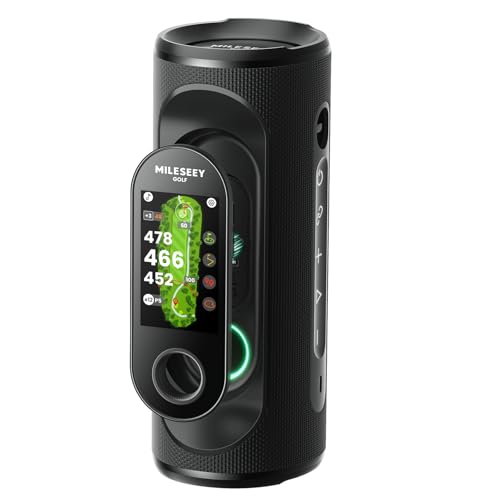
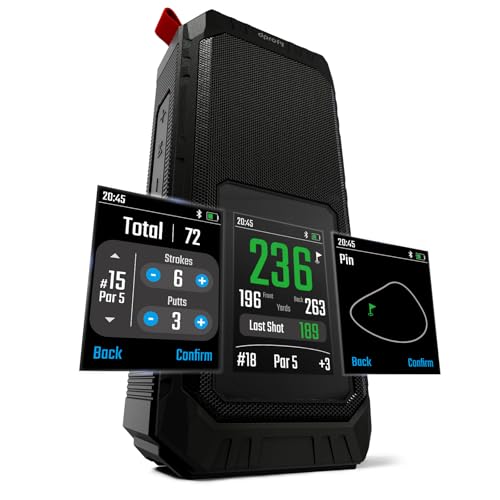
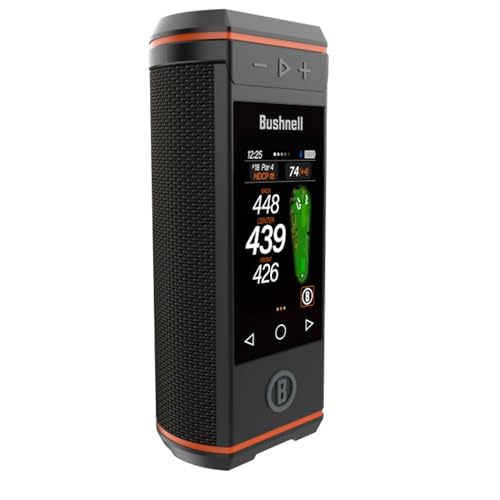
Golf Bluetooth Speaker with GPS: The Complete Hybrid Device Guide
Imagine walking down the fairway with your favorite playlist playing while a clear voice announces the distance to the front, middle, and back of the green. That is exactly what a golf Bluetooth speaker with GPS delivers — two useful tools merged into one compact device that clips onto your bag or cart.
Explore the GuideWhy this guide matters: If you already know you want a speaker that also measures distance, you are in the research phase before buying. This guide explains how these hybrid devices work, what separates a solid model from a great one, and which features actually matter on the course. Use it to compare options with confidence and choose the device that fits how you play.
What a Golf Bluetooth Speaker with GPS Actually Does
A golf Bluetooth speaker with GPS is a portable audio device with an integrated satellite-based distance system. Once paired with your phone or loaded with course data, it provides audible or visual distances to the green while streaming music, podcasts, or swing-tempo audio through its speaker. The concept is simple: instead of carrying a separate speaker and a separate GPS unit, you carry one device.
Distance information typically includes front, middle, and back of green readings. Many devices also show layup distances, hazard positions, and shot tracking. Audio quality varies by tier, but most modern hybrids are loud enough to be heard over wind and cart noise without distortion. A useful complement to these devices is a dedicated rangefinder for precise flagstick measurements, since GPS gives general green distances while laser units pinpoint exact targets.
Because these devices are relatively new, golfers often confuse them with ordinary Bluetooth speakers or with golf GPS watches. The distinguishing factor is the built-in course database and distance display, which turns a speaker into a genuine on-course tool. If you want to understand how wearables compare, our guide to smartwatch golf features is a helpful companion read.
Key Features to Evaluate Before You Choose
Not every hybrid device is built the same. The features below are the ones that most affect day-to-day usefulness on the course. Focus on these when comparing models.
Audio Quality and Volume
Look for clear mid-range sound and enough volume to cut through wind and cart engines. Premium tiers typically offer richer bass and less distortion at high volume.
GPS Accuracy and Course Coverage
Check how often the course database updates and whether your home courses are included. Green distances should update quickly as you move.
Battery Endurance
A full round typically takes four to five hours. Prioritize devices rated for a complete round with both audio and GPS running.
Mounting and Portability
Clips, magnets, and cart straps matter more than you think. A secure mount keeps the speaker stable on bumpy fairways.
Weather Resistance
Golf happens in dew, drizzle, and dust. A weather-resistant coating and sealed ports protect the electronics over time.
Display and Voice Output
Some models rely on voice announcements, others include a small screen. Choose the interface that fits how you process information on the course.
If your priority is music quality, treat the speaker side as the primary purchase and the GPS as a bonus. If your priority is distance accuracy, treat the GPS as primary. A balanced hybrid does both well but rarely leads in both categories. Pairing a hybrid with a portable launch monitor during practice sessions gives you deeper data on carry distances, which complements the on-course green readings.
Market Tiers Explained
These hybrid devices generally fall into three broad tiers. Understanding the tiers helps you set realistic expectations without relying on specific figures. The table below describes what each tier typically delivers.
| Tier | Best For | Typical Characteristics |
|---|---|---|
| Entry-level | Casual golfers and first-time hybrid buyers | Basic audio, front/middle/back green distances, shorter battery endurance, simpler mounting. |
| Mid-range | Regular weekend players who want reliability | Improved sound clarity, faster GPS locking, full-round battery life, better weather sealing. |
| Premium | Frequent players and tech-focused golfers | Rich audio, advanced course mapping, hazard distances, premium materials, extended endurance. |
Within each tier, the differences between models often come down to small details: how quickly the GPS locks on, how intuitive the voice announcements are, and how securely the device attaches to a cart. Reading user feedback about real-round performance is more useful than comparing spec sheets alone. A model that is competitive within its class usually gets the fundamentals right — clear sound, accurate distances, and dependable battery life.
Advantages and Trade-offs
Every hybrid device involves compromises. Knowing them upfront prevents disappointment after the first round.
Advantages
- One device replaces a speaker and a GPS unit.
- Voice distance announcements keep your hands free.
- Music can improve pace of play and enjoyment.
- Compact designs fit easily on bags and carts.
- Course mapping usually requires no subscription.
Trade-offs
- Audio quality may lag behind dedicated speakers.
- GPS precision is general, not flagstick-specific.
- Battery drain is higher than audio-only devices.
- Some tournaments restrict audio playback.
- Premium models carry a significant investment.
If you mainly want music and occasionally need a distance reading, an entry-level hybrid is a solid choice for the tier. If you play competitively and need dependable distance data in every round, a premium model justifies the long-term investment. Golfers who already own a laser rangefinder may prefer to pair it with a compact audio-only speaker, while those who want a single streamlined device will find the hybrid approach more convenient.
Setup and On-Course Tips
Getting the most from a GPS speaker starts before you tee off. Follow these practical steps to make the device work for you from the first hole.
Before the round: Charge the device fully the night before, pair it with your phone, and download or sync the course data while you have a strong signal. Confirm that the correct course and tee box are selected. If your device supports voice announcements, adjust the volume to a level that is audible but not disruptive to playing partners.
During the round: Mount the device where you can hear announcements clearly and see any display without leaning over. Keep the speaker shaded when possible to reduce heat buildup. If the GPS lags, move a few steps and give the device a moment to reacquire satellites. Avoid covering the antenna area with bags or towels.
After the round: Wipe down the device to remove dust and moisture, then store it in a dry place. Periodically check for firmware updates, since course databases and GPS algorithms are refined over time. Rotating the device between cart and carry bag use is fine, but make sure the mount is re-tightened each time.
It also helps to set expectations for playing partners. Some golfers enjoy background music, others find it distracting. A quick conversation on the first tee keeps the atmosphere relaxed. If the group prefers quiet, use the GPS announcements only and mute the music.
Ready to Compare Hybrid Golf Speakers?
Browse a curated selection of golf Bluetooth speakers with GPS below. Each option is grouped by tier so you can focus on the features that match how you play.
View Recommended OptionsFrequently Asked Questions
What is a golf Bluetooth speaker with GPS?
It is a hybrid device that combines a portable Bluetooth speaker for music or audio with integrated GPS technology that provides distance-to-green and course mapping information for golfers.
Can a GPS golf speaker replace a rangefinder?
A GPS speaker provides front, middle, and back distance readings to greens, which covers most on-course needs. A laser rangefinder measures precise distance to any target such as a flagstick or hazard. Many golfers use both for different situations.
Are GPS golf speakers allowed during tournament play?
Rules vary by tournament and governing body. Some competitions permit distance-measuring devices while others prohibit them or restrict audio playback. Always check the local rules and conditions of competition before using a GPS speaker in an event.
How long does the battery last on a golf Bluetooth speaker with GPS?
Battery life depends on the model and usage patterns. Many devices are built to last a full round of golf with audio and GPS active, though premium models often provide longer endurance than entry-level options.
Do I need a phone connection for GPS to work?
Most devices require an initial sync with a phone or a downloaded course database, but many continue to provide distances without a live connection during the round. Check the specifications of the specific model you are considering.
For golfers who want to deepen their on-course strategy, pairing a GPS speaker with proper course management reading is a smart combination. The device tells you the distance; the strategy tells you what to do with that number. Our guide to club selection is a useful next step once you have reliable distance data in hand.