
Golf Ball Marker with Alignment: Improve Your Putting Accuracy
Master the green with alignment ball markers. Learn how these simple tools help you read putts, set up perfectly, and sink more birdies.
On the green, every detail matters. The golf ball marker you use can do more than just mark your spot—it can actively help you line up putts with precision. A ball marker with alignment lines transforms a routine action into a strategic advantage, giving you confidence over short and long putts alike.
Whether you're a weekend warrior or a seasoned player, a dedicated alignment ball marker bridges the gap between reading the break and executing the stroke. In this guide, we explore everything you need to know about these game-improving accessories, from how they work to choosing the right one for your style.
Quick Take: A quality alignment marker costs as little as $5–$20, yet can shave strokes off your round by improving aim consistency. It’s one of the most affordable putting alignment aids available.
What Is a Golf Ball Marker with Alignment?
A golf ball marker with alignment typically features a straight line, crosshair, arrow, or other visual guide etched or printed onto its surface. After marking your ball, you can rotate the marker so that the line points precisely along your intended putt path. When you replace the ball, you align its own alignment line (or logo) with the marker’s line, ensuring your putter face squares up correctly.
This concept isn’t new—pros have used coins or custom markers with lines for decades. Today’s personalized ball markers and custom stencils let you design markers that suit your eye and routine.
Benefits of Using Alignment Markers
- Enhanced Aim: Removes guesswork by providing a clear visual reference that matches your read.
- Consistent Setup: Encourages a repeatable pre-putt routine, a cornerstone of solid green reading.
- Improved Confidence: Standing over a putt knowing you’re aligned correctly reduces second-guessing.
- Versatility: Works with any putter style, from blade putters to mallet putters.
- Portable & Durable: Most markers are metal or heavy plastic and easily fit in your pocket or on a hat clip.
Types of Alignment Ball Markers
The market offers several variations to match different preferences:
- Line Markers: Simple straight line – classic and effective.
- Crosshair Markers: Intersecting lines help with perpendicular alignment.
- Arrow Markers: Pointed tip eliminates ambiguity about direction.
- Tri‑Line Markers: Multiple parallel lines assist with both aim and stroke path.
- Magnetic Combo Markers: Often paired with divot tools with magnetic ball markers, convenient and hard to lose.
How to Use an Alignment Ball Marker
- Read the green and determine your start line.
- Place the marker behind the ball, then pick up the ball.
- Rotate the marker so its alignment line points exactly along your intended start line.
- Replace the ball, aligning its side stamp or line with the marker’s line.
- Pick up the marker and take your stance with your putter face square to the ball’s alignment line.
For deeper insight, check our guide on putting tips that cover green reading and stroke mechanics.
What to Look For When Buying
Not all markers are created equal. Consider these factors before purchasing:
- Visibility: Bold, high-contrast lines that are easy to see from address position.
- Size & Weight: Large enough to handle but thin enough not to interfere with putts. Magnetic options add convenience.
- Material: Durable metals like aluminum or stainless steel resist wear; some feature enamel fill for longevity.
- Customization: Options for personalized ball markers let you add initials or logos.
- Multi‑Purpose Design: Some markers double as belt accessories or clip onto your hat.
Pro Tip: Pair your alignment marker with a putter that has a clear sightline. Many modern putter fitting sessions can optimize alignment tools for your stroke.
Do Alignment Markers Conform to Rules?
Yes. The USGA and R&A allow artificial objects like alignment markers as long as they are not used to indicate the line of play during the stroke. You can place the marker to assist in aligning the ball, but must remove it before making the putt. For a complete rules overview, visit our golf rules explained section.
Frequently Asked Questions
Can I make my own alignment marker? Absolutely. A custom golf ball marker stencil and permanent marker let you create lines on any flat object—many tour players do exactly that.
Do pros use alignment markers? Many PGA Tour players use coins with a line drawn on them or specialized markers. It’s a legal and widely adopted practice.
Ready to elevate your green game? Below you’ll find our top picks for alignment ball markers that deliver both performance and style.
Top-Rated Alignment Golf Ball Markers
⚠️ AFFILIATE DISCLOSURE: This website contains affiliate links. As an Amazon Associate, we earn from qualifying purchases. If you make a purchase through these links, we may receive a small commission at no additional cost to you. Read our full affiliate policy.

Alignment Ball Mark - Putting Alignment Aid Tool - Golf Ball Marker - Rotate to Aim - Golf Gift Accessory for Men & Women Golfers - USGA Compliant - Blue
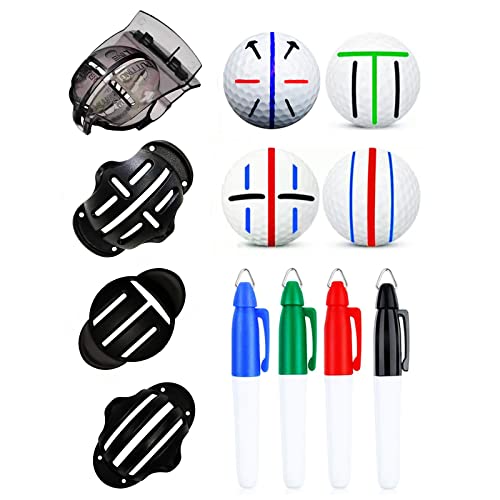
8 Pack Precision Golf Ball Marker, Upgrade Golf Accessories, 4 Golf Ball Marking Stencils and 4 Colors Golf Ball Markers, Golf Ball Line Marker Tool, Golf Ball Alignment and Identification Tool
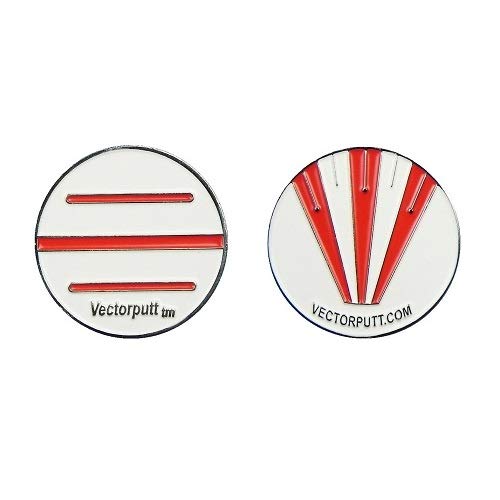
Vectorputt tm - USGA Approved Golf Ball Mark - Double Sided Golf Ball Marker with hat Clip (30mm)

Alignment Ball Mark - Putting Alignment Aid Tool - Golf Ball Marker - Rotate to Aim - Golf Gift Accessory for Men & Women Golfers - USGA Compliant - (Pack of 3)
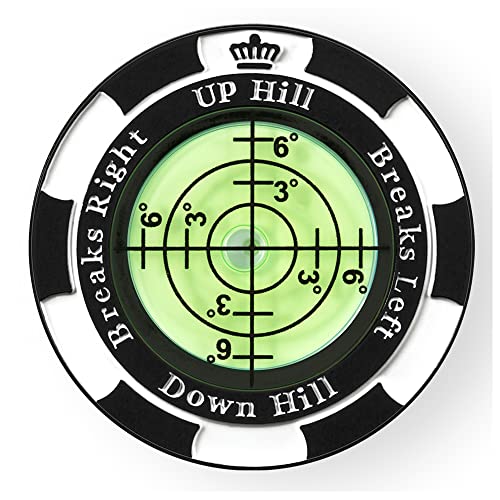
SlopeMaster ProGreen Reader - Golf Ball Marker with High Precision Green Reading Aid Golf Accessories for Men Women(Black)

BIRDIE79 360-Degree Golf Ball Marker Alignment Tool Kit, 3 Pens, Gift Box. | 360° & 180° Lines, 5 Alignment Styles, Triple-Line Design

Callaway Golf 2021 Triple Track Ball Marker Pack, White

Prodigora SlopeMaster ProGreen Reader - Golf Ball Marker with High Precision Green Reading Aid Golf Accessories for Men Women (Green)
Disclaimer
GolfProAdvice provides educational content only. Not a substitute for professional golf instruction. Always warm up properly before playing and consult a golf professional for personalized swing advice. Some content may use AI. We are not responsible for injuries or equipment issues. By using this site, you accept these terms. If you do not agree, please leave this website and discontinue its use. Read full disclaimer.