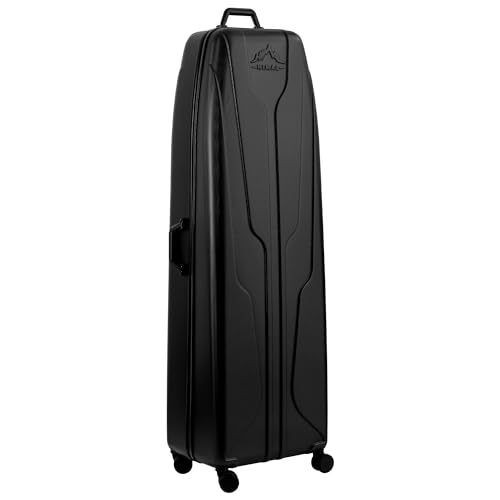
Best Golf Travel Bags for Airlines: Fly With Your Clubs Safely
Protecting your clubs during air travel starts with the right bag. This guide breaks down airline-approved golf travel bags, hard versus soft case designs, protection features, and the practical details frequent flyers actually need to know before booking their next golf trip.
Airline Rules and Oversized Luggage Basics
Before comparing bags, it helps to understand how airlines treat golf equipment. Most carriers classify a golf travel bag as special or oversized sports equipment. The bag itself usually falls within standard checked baggage dimensions, but weight limits and handling fees vary significantly between domestic and international carriers. Always verify the current policy of your specific airline before departure.
Beyond fees, the bigger concern is handling. Golf clubs are long, awkward, and vulnerable to impact during loading and transfer. A dedicated travel bag spreads impact forces across a wider surface and keeps clubs from shifting inside the case. If you plan to fly regularly, choose a model built specifically for airline use rather than a standard carry bag with a thin cover.
Travelers who combine air travel with rental carts often pair their travel bag with a compact push cart or a cart bag with full-length dividers, so the club organization carries over to the course. Others prefer a carry-style setup and a carry bag with 14 full-length dividers for the rounds themselves. Either way, the travel bag remains the protective outer shell for the flight.
Hard Case vs. Soft Case Golf Travel Bags
The single biggest decision when shopping for an airline travel bag is whether to go hard or soft. Both styles can be airline-approved, but they serve different priorities.
Hard Case Travel Bags
- Maximum protection: Rigid shells absorb and deflect impact, making them the safest option for premium clubs.
- Better for frequent flyers: Repeated trips through baggage handling favor the durability of a hard shell.
- Trade-offs: Heavier, bulkier to store, and less flexible when packing extra gear.
Soft Case Travel Bags
- Lightweight and flexible: Easier to carry, fold, and store between trips.
- Modern protection: Mid-range and high-end soft models now use reinforced spines, dense foam padding, and internal support poles that rival entry-level hard cases.
- Trade-offs: Less impact resistance in extreme handling scenarios and more dependent on proper internal packing.
Key Features That Matter in an Airline Golf Travel Bag
Not all travel bags are built for the realities of air travel. When comparing models, prioritize these features:
| Feature | Why It Matters |
|---|---|
| Reinforced spine or internal support pole | Prevents the bag from folding under stacked luggage and keeps club shafts straight. |
| Dense foam padding around club heads | Absorbs impact at the most vulnerable point of the bag. |
| Lockable zippers | Adds security during transit and meets many airline checked-bag requirements. |
| Inline skate wheels or rugged casters | Makes navigating airports and parking lots far easier. |
| Compression straps | Keeps clubs from shifting inside the bag during handling. |
| Airline-approved dimensions | Reduces the risk of oversized baggage surcharges or rejection at check-in. |
Weight is another practical factor. Hard cases protect well but add bulk, while soft cases keep packed weight lower. If you travel with a full set plus shoes and accessories, check how much of your airline's weight allowance the bag itself consumes. Golfers who prefer a lighter overall setup sometimes pair a travel bag with a pared-down club selection, similar to the logic behind choosing the best clubs to have in your golf bag for a trip.
Top Picks by Category
Instead of a single “best overall” pick, it helps to match the bag to how you travel. The categories below use universal quality tiers rather than fixed pricing, so the guidance stays relevant over time.
Best Hard Case for Maximum Protection
Look for a molded shell with a reinforced top, lockable latches, and smooth-rolling wheels. Premium hard cases typically offer the best impact resistance and are the safest choice for high-end clubs. Mid-range hard cases are a reasonable compromise for occasional flyers who still want rigid protection.
Best Soft Case for Frequent Flyers
High-end soft cases with a reinforced spine, thick foam padding, and a stiff arm deliver protection that approaches hard-case levels while staying lighter and easier to store. These are the most versatile airline travel bags for golfers who fly several times a year.
Best Budget-Friendly Travel Bag
Entry-level soft cases can be perfectly adequate for occasional trips, provided you add a stiff arm and pack clubs carefully. They typically lack the padding density and wheel quality of mid-range models, so inspect zippers and seams before relying on one for a long-haul flight.
Best for Golfers Who Also Carry a Cart Bag
If your everyday setup is a cart bag, choose a travel bag sized to accommodate it without excessive slack. A snug fit reduces movement, and pairing it with a cart bag with full-length dividers keeps clubs organized on arrival. Golfers who walk and carry often prefer a lighter travel bag matched to a carry bag with 14 dividers.
Packing and Protection Tips for Air Travel
Even the best travel bag relies on proper packing to protect your clubs. Follow these practical steps before every flight:
- Use a stiff arm or support pole. This is the single most effective upgrade for any soft case.
- Remove adjustable driver heads if your driver allows it, and store them separately in your carry-on or padded pocket.
- Wrap club heads with towels, headcovers, or clothing to cushion impact.
- Fill empty space so clubs cannot shift. Shoes and rain gear can double as padding.
- Lock or secure zippers where permitted, and label the bag with your contact details.
- Weigh the packed bag before the airport to avoid surprise overweight fees.
If you are building a travel-ready set, consider how your club choices affect packing. Hybrids and fairway woods pack more compactly than a full long-iron set, and a forgiving hybrid for high handicappers can replace several clubs while keeping the bag light. Golfers refining their setup before a trip may also find value in guides on the best clubs for intermediate players and clubs for high handicappers.
For destination research, pairing a travel bag guide with course planning makes sense. Resources on public golf courses and courses with driving ranges help you arrive prepared to play. And if you are still assembling gear, the broader golf equipment guide covers the essentials beyond the travel bag itself.
Frequently Asked Questions
Are golf travel bags considered oversized luggage by airlines?
Most airlines classify golf travel bags as special sports equipment. While dimensions vary by carrier, a standard golf travel bag typically fits within the checked baggage allowance for length, but you should always confirm with your specific airline before flying.
Should I choose a hard case or soft case golf travel bag for flying?
Hard cases offer maximum protection against impact and are ideal for premium clubs and frequent flyers. Soft cases are lighter, easier to store, and more flexible, with many mid-range and high-end soft models now featuring reinforced spines and padding that provide excellent protection for most golfers.
How can I protect my golf clubs inside a travel bag?
Use a stiff arm or internal support pole, pack towels or clothing around club heads, remove adjustable driver heads if possible, and ensure the bag is packed snugly. These steps reduce movement and protect against damage during handling.
Do I need to remove my clubs from the bag before flying?
No, you can keep your clubs in the bag inside the travel case. In fact, a snug bag inside a properly padded travel case is usually the safest configuration. Just remove loose items and secure club heads as described in the packing tips.
Can I fit shoes and clothing in a golf travel bag?
Yes, many travel bags include extra pockets or internal space for shoes and apparel. Packing soft items around club heads also adds padding. Keep the total weight within your airline's checked baggage limit.
Ready to Fly With Confidence?
Browse our recommended golf travel bags and protection accessories below. Every pick is selected with airline travel in mind, so you can focus on the trip rather than worrying about your clubs.
View Recommended Travel Bags