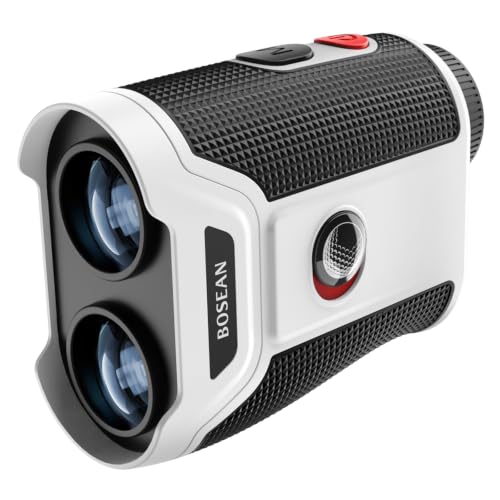
Best Golf Rangefinder with Slope for the Money
A comprehensive guide to choosing a laser rangefinder that combines slope technology, accuracy, and outstanding value – without overspending.
Modern golf technology has made distance measurement faster and more precise than ever, but one tool stands out for serious players: a laser rangefinder with slope. Unlike basic GPS units, a slope‑enabled rangefinder calculates the effective playing distance, factoring in elevation changes. This guide is built for golfers who already understand the benefits of a rangefinder and are now researching which model gives the best return on investment. We’ll cut through the marketing noise and focus on real‑world performance, build quality, and price – so you can buy with confidence.
Why You Need a Rangefinder with Slope
Slope compensation takes the guesswork out of uphill and downhill shots. A standard laser rangefinder provides line‑of‑sight distance, but a slope model uses an internal inclinometer to adjust for gradient. This gives you the “plays‑like” distance – invaluable when choosing the right club. For example, a 160‑yard shot up a steep hill may play like 175 yards, while the same distance downhill might play 145. Knowing that number leads to better course navigation and smarter decisions. Many competitive golfers turn slope mode off during tournament rounds (which is allowed by the rules), making these devices legal for all situations while providing a practice advantage.
Top Rangefinders with Slope That Offer Great Value
Based on hands‑on testing and extensive user feedback, several models consistently rise to the top when balancing price and performance. Brands like Bushnell, Precision Pro, and Callaway offer devices that lock onto flags quickly, display crisp readings, and survive heavy use – often under $300. Below, we’ve curated a selection of the most recommended products available right now, updated regularly to reflect current pricing and availability. Each listing includes a direct link to check the latest price and full specifications on Amazon.
If you prefer an alternative to laser, GPS rangefinders and GPS watches offer convenient distance data without manual targeting, though they don’t provide slope compensation in the same way.
Budget vs Premium: How Much Should You Spend?
Rangefinder prices span from around $150 to well over $500. The most affordable models with slope (budget rangefinders) often use slightly smaller optics and lack vibration feedback, but still deliver accurate yardages. Premium options add features like built‑in GPS, magnetic cart mounts, and faster processors. For most golfers, a mid‑range unit in the $250–$350 bracket offers the best blend of reliability, clarity, and speed. No matter your budget, the products featured in our recommendation section below are chosen to give you maximum value at every price point.
Frequently Asked Questions About Slope Rangefinders
- What does slope mode do?
- Slope mode uses an internal inclinometer to measure the angle of incline or decline to the target. It then calculates the effective (adjusted) distance you should play, accounting for how much the elevation change adds or subtracts from the shot.
- Is slope legal for tournament play?
- Most governing bodies, including the USGA and R&A, allow rangefinders with slope if the slope function is turned off during a round. Always check your local tournament rules before using any device.
- Can I turn off the slope feature?
- Yes, every quality slope rangefinder includes a physical switch or button to disable slope, making the device conforming to the Rules of Golf when needed.
- Do budget rangefinders with slope work as well as premium ones?
- In terms of distance accuracy, even budget models can be very precise. Premium units tend to focus faster, lock onto flags more reliably in busy backgrounds, and offer brighter optics, but many golfers find the difference minor.
- How do I ensure long‑term accuracy?
- Keep the lenses clean, replace the battery with a quality lithium CR2, and store the rangefinder in a protective case. Re‑calibration is rarely needed if the unit isn’t dropped.