Should I Wear My Golf Shoes to the Driving Range? The Honest Guide
It’s a common question that sparks debate among golfers of all levels. You’re heading to the range to work on your swing fundamentals, but you hesitate at the door, staring at your feet. Is it overkill? Is it necessary? The answer isn't a simple yes or no — it depends on your goals, the type of range, and what you’re wearing right now. We’ve tested both approaches on grass and artificial mats to give you the clearest answer possible, so you can practice smarter and protect your equipment.
The Core Question: Does Footwear Really Affect Your Range Session?
Absolutely. Your feet are the only connection between your body and the ground during a golf swing. A stable base is critical for generating power and maintaining balance. While it might seem economical to just wear your regular sneakers, the specific demands of a repetitive golf swing require traction and support that casual shoes often lack. Wearing proper golf footwear on the range replicates the exact conditions of the course, eliminating one variable from your practice and building true muscle memory. If you’re serious about lowering your scores, your practice environment must mirror your playing environment as closely as possible.
Spiked vs. Spikeless: Which is Better for the Driving Range?
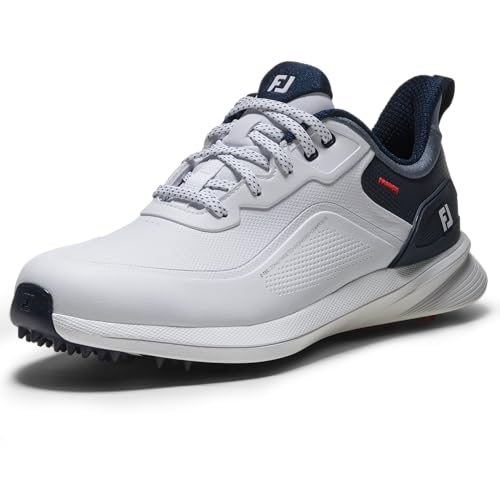
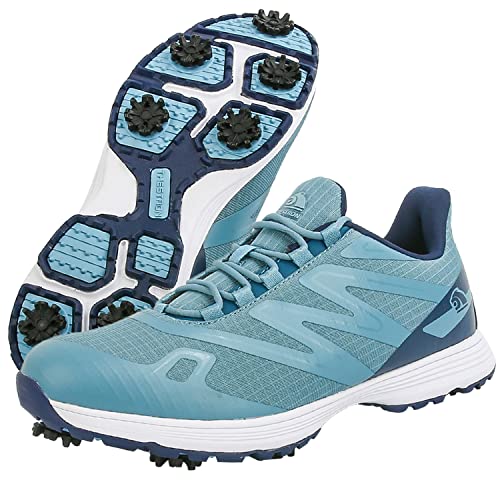
Modern golf shoes fall into two main camps, and the best choice for the range depends on the hitting surface. Spiked golf shoes offer maximum grip, ideal for a grass tee where you need to dig in, especially with longer clubs like your driver. However, on firm, artificial mats, they can feel uncomfortable and accelerate spike wear. For most modern driving ranges with quality mats, premium spikeless golf shoes are the superior choice. They provide ample traction, a more natural walking feel, and transition seamlessly from the car to the hitting bay.
Wearing Golf Shoes (Pros)
- Creates a consistent, course-like feel for better practice transfer.
- Superior lateral stability prevents slipping during your swing plane drills.
- Waterproof models keep your feet dry on damp grass tees.
- Helps ingrain proper footwork and weight shift mechanics.
Wearing Golf Shoes (Cons)
- Metal or aggressive soft spikes wear down faster on hard mats.
- Can be less comfortable for extended sessions compared to running shoes.
- You'll need to carry an extra pair to change into afterwards.
- Not always necessary for short-game only sessions on flat surfaces.
Why You Might Consider Regular Sneakers (And Why It's Risky)
Running shoes or flat trainers are a popular choice for convenience, but they are designed for forward motion, not the rotational forces of a golf swing. At a foundational level, they fail to provide the lateral stability needed for a powerful coil and release. If you're practicing with game improvement irons and swinging at full speed, the lack of grip can lead to subtle slipping, which your body compensates for unconsciously, creating swing flaws over time. The soft, cushioned soles also absorb energy instead of transferring it to the ground, potentially costing you distance. For a brief chipping or putting-only practice, casual shoes are acceptable, but for a full bucket, they introduce more problems than they solve.
A Note on Mat Wear and Tear
A common concern is that rough driving range mats will quickly destroy a nice pair of golf shoes. While this is a valid point for the most aggressive cleat designs, it's largely a myth with today's spikeless technology. Instead of tearing them up, using your golf shoes on mats is a perfect way to break them in, molding them to your feet before you walk 18 holes. Just avoid dragging your trailing foot excessively on the mat during your follow-through, a habit that can scuff any material, and your shoes will handle the range beautifully.
The Final Verdict: Yes, You Should Wear Golf Shoes to the Range
Wearing your golf shoes to the driving range is a practice habit we strongly endorse. The benefits of stability, realistic feel, and swing consistency far outweigh the minor inconvenience of changing footwear. For the ideal setup, we recommend investing in a dedicated, comfortable pair of spikeless golf shoes as your go-to range option. They offer the perfect blend of performance on a mat, durability, and all-day comfort. Keep a classic spiked pair in your trunk for those days when you're warming up on a pristine grass tee before a round, ensuring you're always practicing under the truest possible conditions.
Choosing the Right Golf Shoe for Your Practice
When selecting shoes specifically for range work, prioritize fit and stability. Look for a wider base in the forefoot to prevent rolling and a secure heel cup to lock your foot in place. Breathability is also a key factor for summer practice; a shoe with a knitted upper or mesh panels will keep you comfortable through a long bucket of balls. If you often find yourself practicing on damp mornings, a pair with a one-year waterproof guarantee is a smart investment. Don't forget to pair them with high-quality golf-specific socks to prevent blisters during repetitive movements.
Ultimately, the driving range is your laboratory. You wouldn't wear flip-flops to run a marathon, and you shouldn't wear unsupportive sneakers to build a technically sound, repeatable golf swing. Suit up, lock in, and make every swing on the range count just as much as one on the course. With the right footwear, you're not just practicing harder — you're practicing smarter.