Rangefinder Watches for Golf: The Complete GPS Guide
Everything you need to know about golf GPS watches — how they work, what features matter, and how to choose the right tier for your game.
Why read this guide? You already know that accurate distance information is one of the fastest ways to lower your scores. A rangefinder watch for golf puts that information on your wrist — no fumbling for a separate device, no slowing down play. This guide breaks down how these wearable devices work, which features actually matter on the course, and how to match a watch tier to your playing style and skill level.
What Is a Rangefinder Watch for Golf?
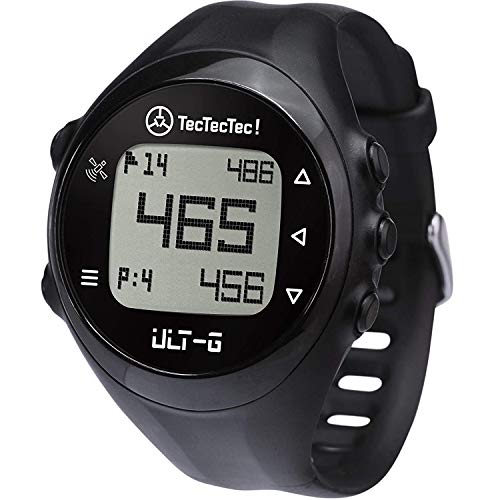
A rangefinder watch for golf is a wearable GPS device designed specifically for golfers. Rather than measuring distance with a laser like a handheld rangefinder, a golf GPS watch uses satellite positioning to display distances to the front, middle, and back of the green — plus distances to hazards like bunkers and water. The result is a quick, glanceable readout that keeps your pre-shot routine moving.
These watches sit in the same category as other distance-measuring devices, but their wrist-mounted form factor is their defining advantage. You never need to reach into your bag. A quick flick of the wrist and you have the number. For players who value pace of play and simplicity, a GPS watch is often the most practical on-course tool available.
It is worth distinguishing a golf GPS watch from a general-purpose golf smartwatch. While many smartwatches now include golf modes, dedicated rangefinder watches typically prioritize course data, battery life for a full round, and glove-friendly controls over general smart features.
How Golf GPS Watches Work
A golf GPS watch relies on a combination of GPS positioning and pre-loaded course maps. Here is the general workflow:
- The watch locks onto GPS satellites to determine your position on the course.
- Pre-installed course data provides the geometry of each hole — green shapes, hazards, and doglegs.
- The watch calculates distances from your current position to key targets.
- Distances update automatically as you walk, so you always have a current number.
Most models display front, middle, and back green distances as a minimum. More feature-rich tiers add layup distances, hazard carry numbers, shot tracking, and even basic swing metrics. The core technology is well-established, so the difference between tiers is usually about data depth, display quality, and battery endurance rather than fundamental accuracy.
Accuracy note: Golf GPS watches typically measure to within a few yards of the front, middle, and back of the green. That is more than enough for club selection and course management. If you need exact flag distances, a laser rangefinder remains the tool of choice — but for most recreational and mid-handicap players, a GPS watch covers the vast majority of on-course decisions.
Key Features to Evaluate Before You Choose
Not every feature is equally useful. The list below highlights what matters most when comparing rangefinder watches for golf, organized by how directly each feature affects your round.
Distance Readouts
At minimum, look for front, middle, and back green distances. Better models add hazard distances, layup targets, and dogleg carry numbers. Some allow you to move a pin position marker for a more precise flag distance. The more flexible the target selection, the more useful the watch on unfamiliar courses.
Display and Readability
You will be reading this display in bright sun, under glare, and often with a glove on. A high-contrast screen and large numerals make a real difference. Color displays are easier to interpret at a glance, while monochrome screens often extend battery life. Consider which trade-off suits your eyes and your typical playing conditions.
Battery Life
Battery endurance separates the tiers more than almost any other specification. Entry-level watches may cover a single round comfortably, while mid-range and premium models often last multiple rounds or several days in smartwatch mode. If you play several times a week or travel for golf, battery life should be high on your priority list.
Course Coverage and Updates
Check that the watch supports courses in your region and that course data is updated regularly. Most major brands maintain large course libraries and push updates over the air. If you play a lot of local or lesser-known courses, verify coverage before committing to a model.
Comfort and Durability
A golf watch is worn for four-plus hours per round, often in heat and occasionally in rain. Look for a lightweight build, a secure strap, and water resistance suitable for wet conditions. Premium materials and reinforced construction are worth considering if you play frequently.
Tournament Compliance
Most golf GPS watches are legal for tournament play when distance is the only information provided. Slope measurement and other condition-based features are typically prohibited unless the device can be switched to a compliant mode. If you compete, confirm the model supports a tournament-legal setting.
Comparing Watch Tiers: Entry-Level to Flagship
To make the comparison easier without anchoring to specific numbers, the table below groups rangefinder watches for golf into four universal quality tiers. Use it as a framework when you browse product listings.
| Tier | Best For | Typical Strengths | Trade-Offs |
|---|---|---|---|
| Entry-Level | New golfers and casual weekend players | Essential front/middle/back distances, simple interface, solid build | Fewer course features, shorter battery endurance, basic display |
| Mid-Range | Regular players who want more data | Hazard distances, better screens, multi-round battery, shot tracking on some models | Some advanced features may require an optional subscription |
| Premium | Frequent players and improving handicaps | Color displays, richer course maps, strong battery life, smartwatch crossover features | More complexity than some players need; larger case sizes |
| Flagship | Competitive amateurs and data-driven golfers | Top-tier screens, extensive analytics, premium materials, multi-day battery | Highest investment; features may exceed casual needs |
A useful rule of thumb: an entry-level model that displays accurate front, middle, and back distances will help almost any golfer. Upgrading to a mid-range or premium tier makes sense when you want deeper course data, a better display, or longer battery life between charges. If you are also comparing handheld devices, our guide to the best budget rangefinder for golf covers the laser side of the equation.
Why Golfers Choose a Rangefinder Watch
The benefits go beyond convenience. Here is what a GPS watch actually changes about a round:
- Faster decisions: A glance at your wrist replaces walking to a marker or consulting a yardage book.
- Better club selection: Consistent front/middle/back numbers reduce guesswork on approach shots.
- Smarter course management: Hazard and layup distances encourage conservative, strategic play.
- Improved pace of play: Less time spent measuring means smoother rounds for you and your group.
- Progress tracking: Mid-range and premium models often log shots and rounds, helping you spot patterns over time.
For players working on their short game, pairing a GPS watch with structured practice tools like putting gates and putting arcs creates a feedback loop: the watch gives you precise targets on the course, and the training aids sharpen the stroke you use to hit them.
How to Choose the Right Golf GPS Watch
Work through these questions in order. They will narrow the field quickly and keep you from overpaying for features you will not use.
1. How often do you play?
Occasional players can comfortably stay in the entry-level or mid-range tier. If you play multiple times per week or travel with your clubs, battery life and durability push you toward premium tiers.
2. Do you compete in tournaments?
If yes, confirm tournament-legal mode and avoid models whose core function depends on slope measurement. If you only play casual rounds, you have more freedom to choose feature-rich devices.
3. What data do you actually use?
Be honest. Front, middle, and back distances cover most decisions. Hazard carry numbers help on unfamiliar courses. Shot tracking and analytics are valuable only if you review the data afterward.
4. How important is the display?
If you play in bright sun or have trouble reading small text, prioritize a high-contrast or color display. If battery life matters more, a monochrome screen is a reasonable trade-off.
5. Do you want smartwatch crossover?
Some golf GPS watches double as everyday smartwatches with notifications and fitness tracking. If you prefer a single device for daily wear and golf, look for models with strong smartwatch features alongside golf mode.
Editorial tip: When comparing product listings, focus on the tier, the course coverage in your region, and the battery specification for golf mode. Those three factors predict satisfaction more reliably than long feature lists. If you want a broader view of distance-measuring options, our rangefinder hub compares handheld and wearable formats side by side.
Care and Maintenance Tips
A golf GPS watch is a durable tool, but a few habits extend its life:
- Rinse the strap and case after sweaty rounds; sunscreen and sweat degrade straps over time.
- Keep the charging contacts clean and dry to maintain reliable charging.
- Install firmware updates when prompted — course data and accuracy improvements arrive through updates.
- Store the watch at moderate temperatures; extreme heat degrades battery capacity.
- Check water resistance ratings before wearing the watch in heavy rain or washing it under a tap.
Frequently Asked Questions
What is a rangefinder watch for golf?
A rangefinder watch for golf is a wearable GPS device that shows distances to the front, middle, and back of the green plus hazards. It combines a wristwatch form factor with golf-specific distance data, so you get numbers without reaching for a separate device.
How accurate are golf GPS watches compared to laser rangefinders?
Golf GPS watches typically measure within a few yards to key green positions. Laser rangefinders offer pinpoint flag accuracy but require line of sight and a steady hand. Many golfers use a GPS watch for general course management and a laser only when they need an exact flag number.
Do rangefinder watches require a subscription?
Basic course data is usually included. Premium features such as advanced maps, shot tracking, and performance analytics may require an optional subscription depending on the brand and tier. Check the fine print before you commit to a premium model.
Can I wear a golf GPS watch during a tournament?
Yes, most models are legal when used in a distance-only mode. Slope and condition-based features are typically prohibited unless disabled. Always confirm the device supports a tournament-legal setting and check local rules before play.
What battery life should I expect from a golf GPS watch?
Entry-level watches generally cover one to two rounds per charge. Mid-range and premium tiers often last multiple rounds or several days in smartwatch mode. Flagship models can extend further. Match the tier to how often you play.
Is a golf GPS watch better than a handheld rangefinder?
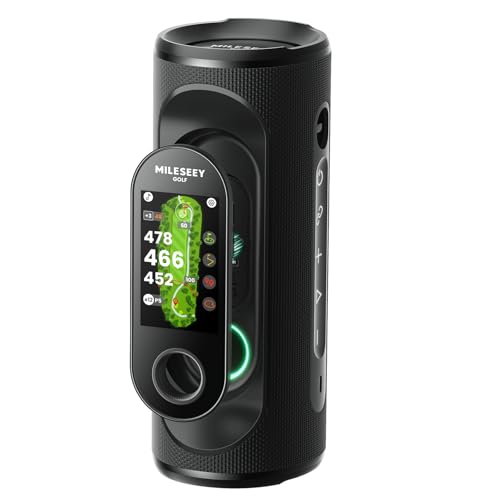
They serve different needs. A GPS watch is faster, hands-free, and excellent for front/middle/back and hazard numbers. A laser rangefinder gives exact flag distances and works well for practice. Many serious golfers carry both, but if you want one device and value convenience, a GPS watch is the simpler choice.
Final Thoughts
A rangefinder watch for golf is one of the most practical upgrades a golfer can make. It puts accurate distance data on your wrist, speeds up decision-making, and supports smarter course management — all without changing your swing or your routine.
Start by identifying your tier: entry-level for essential distances, mid-range for richer course data, premium for better displays and battery life, and flagship for deep analytics. From there, verify course coverage in your region and confirm tournament compliance if you compete. The right watch will quietly improve every round you play.