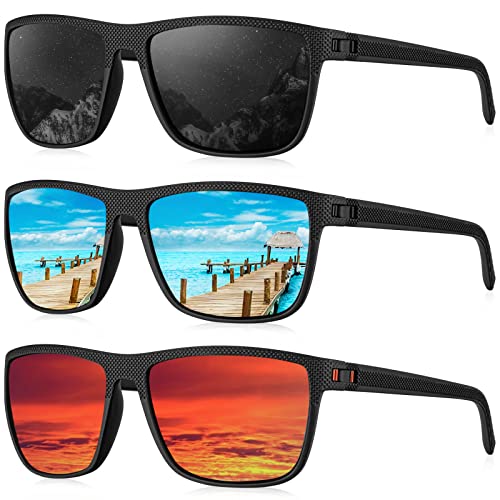
Polarized Sunglasses Good for Golf: Complete Guide
Learn how polarized lenses reduce glare, improve depth perception, and protect your eyes on the course — and discover how to choose the right pair for your game.
Why this matters: If you have ever squinted through a round on a bright day, you already know how much glare can affect your game. Polarized sunglasses are one of the most effective upgrades for on-course comfort and visual clarity. This guide explains exactly why polarized lenses are good for golf, what to look for, and how to pick a pair that suits your playing conditions — so you can make a confident, informed decision before you buy.
What Are Polarized Sunglasses?
Polarized sunglasses use a special chemical film applied to the lens that filters out horizontal light waves — the kind that bounce off flat surfaces like water, sand, fairways, and even the hood of a golf cart. By blocking this reflected glare, polarized lenses let you see the true colors and details of the scene in front of you. For golfers, this means clearer visibility of the ball flight, the contour of the terrain, and the subtle features of the putting surface.
Unlike standard tinted lenses, which simply reduce the overall amount of light entering the eye, polarized lenses are selective. They allow vertical light waves through while blocking horizontal glare. This is why polarized sunglasses are particularly valuable on the course, where water hazards and bunkers can create intense, distracting reflections. Many golfers pair polarized lenses with a quality pair of spikeless golf shoes for a complete, comfort-focused setup.
Why Polarized Sunglasses Are Good for Golf
The benefits of polarized lenses extend well beyond simple sun protection. Here are the key advantages that make them a smart choice for golfers at every level.
Glare Reduction
Polarized lenses eliminate blinding glare from water, sand, and fairway grass. This keeps your eyes relaxed and helps you maintain focus throughout a full round.
Enhanced Depth Perception
By removing glare, polarized lenses help you judge distances and read the terrain more accurately — crucial for club selection and approach shots.
UV Protection
Quality polarized sunglasses block 100% of UVA and UVB rays. Long hours on the course expose your eyes to significant UV, making this a long-term health consideration.
Ball Tracking
Better contrast and reduced glare make it easier to follow the ball against the sky or fairway, especially on bright, hazy days.
Eye Comfort & Fatigue Reduction
Squinting drains energy and causes eye strain. Polarized lenses keep your eyes comfortable, helping you stay sharp through the back nine.
Wind & Debris Protection
Wraparound polarized sunglasses shield your eyes from wind, dust, and pollen — a practical benefit for players with sensitive eyes or allergies.
Best Lens Colors for Golf
Lens color affects how you perceive contrast, color, and brightness on the course. The right choice depends on your typical playing conditions and what you want to prioritize. Here is a comparison of the most common lens colors used by golfers.
| Lens Color | Best For | Key Benefit | Considerations |
|---|---|---|---|
| Brown / Amber | Variable light, most courses | Enhances contrast; helps track ball against sky | May slightly alter color perception |
| Gray | Bright, sunny days | True color perception; reduces overall brightness | Less contrast enhancement than brown |
| Green | Balanced all-around use | Good contrast with natural color perception | May not be ideal for very low-light conditions |
| Rose / Copper | Overcast or hazy days | Increases contrast and depth perception | Can be too warm for very bright sunlight |
Many golfers choose a brown or amber polarized lens as their primary pair because it performs well across the widest range of lighting conditions. If you frequently play in intense midday sun, a gray polarized lens may be more comfortable. For players who want a single pair that handles most situations, green or copper lenses offer a solid middle ground. Pairing your sunglasses with a comfortable stand bag makes it easy to carry a spare pair or a cleaning cloth.
Note on reading greens: Some golfers find that polarized lenses can slightly reduce the visibility of subtle grain and break on putting surfaces, because polarization filters out certain light reflections. This is not a universal experience — many professionals and amateurs wear polarized sunglasses while putting. If you are concerned, practice putting with your sunglasses on before your first competitive round. You can also pair your sunglasses with a dedicated putting mat at home to test how they affect your green reading.
Key Features to Look For in Golf Sunglasses
Not all polarized sunglasses are created equal. When evaluating options, prioritize these features to ensure you get a pair that performs well on the course.
- 100% UV protection: Look for lenses that block both UVA and UVB rays. This is a health essential, not a luxury.
- Lightweight frame: You will wear these for four hours or more. A lightweight frame reduces pressure points and fatigue.
- Secure fit: A snug, wrap-style fit prevents the glasses from slipping during your swing and blocks peripheral glare.
- Scratch-resistant coating: Golf involves dust, sand, and frequent cleaning. A durable coating extends the life of your lenses.
- Interchangeable lenses (optional): Some models let you swap lenses for different light conditions, offering versatility across morning and afternoon rounds.
- Anti-reflective coating: Reduces glare from the back surface of the lens, improving clarity when the sun is behind you.
- Compatibility with hats and visors: If you wear a golf hat, check that the temples fit comfortably without pressure.
If you use a laser rangefinder or a golf GPS watch, test how your sunglasses interact with the display. Polarized lenses can darken some LCD screens at certain angles, so it is worth checking before you commit to a pair for competitive play.
How to Choose the Right Pair
When comparing polarized sunglasses for golf, use these criteria to narrow down your options and match a pair to your needs.
Playing Conditions
If you mostly play in bright, open sunshine, prioritize gray or dark brown lenses. For overcast or variable weather, copper or rose lenses offer better contrast.
Fit & Comfort
A secure, comfortable fit matters more than any single feature. Try on multiple frames and check for pressure points, slippage, and peripheral coverage.
Lens Quality Tier
Entry-level polarized lenses reduce glare effectively but may have less consistent optical clarity. Mid-range and premium lenses typically offer better coatings, sharper optics, and more durable frames.
Durability
Look for scratch-resistant coatings and sturdy hinges. Golf sunglasses take abuse — in and out of the bag, cleaned frequently, exposed to sweat and sunscreen.
Style Preference
Classic frames, wraparound sport styles, and semi-rimless designs all work on the course. Choose a look that feels right for you and fits comfortably under a hat or visor.
Prescription Options
If you wear prescription glasses, many brands offer prescription polarized lenses. This eliminates the need to layer sunglasses over your everyday frames.
Common Mistakes to Avoid
Even with the right information, it is easy to make a few common missteps when choosing golf sunglasses. Here is what to watch out for.
- Assuming all polarized lenses are identical: Lens quality varies significantly. Entry-level options reduce glare but may lack optical clarity and durable coatings found in mid-range and high-end tier models.
- Ignoring frame fit: A stylish pair that slips during your swing or leaves pressure marks after nine holes is not a good fit, regardless of lens quality.
- Skipping the UV check: Not all tinted lenses block UV rays. Always verify 100% UVA/UVB protection before purchasing.
- Overlooking screen compatibility: If you rely on a GPS watch or rangefinder, test whether your polarized lenses darken the display at your typical viewing angle.
- Forgetting about storage: A hard case and microfiber cloth protect your investment. Stuffing sunglasses loose in a golf bag leads to scratches and frame damage.
For a complete on-course setup, consider how your sunglasses pair with other gear. A reliable push cart keeps your bag organized and accessible, while a rangefinder comparison can help you choose a distance device that works well with your eyewear. If you are building a full kit, a golf glove and a golf towel are simple additions that improve comfort and performance.
Ready to Upgrade Your On-Course Vision?
Explore our recommended selection of polarized sunglasses and golf gear designed to help you play with clarity and confidence.
View Recommended Gear