Golf Swing for Seniors with Limited Flexibility
Maintain distance, protect your body, and enjoy the game longer with a swing built around your body’s needs. Discover proven adjustments, simple drills, and the best equipment choices for a pain‑free, efficient motion.
EXPLORE FLEXIBILITY DRILLSWhy Flexibility Changes Your Swing (And What You Can Do About It)
As we age, natural loss of spinal rotation, hip mobility, and shoulder turn can rob your swing of power and consistency. But that doesn’t mean you have to give up distance. The key is adapting your technique to work with your body, not against it. A shorter, wider backswing, a stable lower body, and equipment that promotes higher launch can keep you playing your best golf well into your senior years.
Many seniors benefit from a flatter, more compact motion that reduces strain on the lower back. By focusing on turn rather than lift, you can generate solid contact without forcing extreme positions. Let’s walk through the essential adjustments that make the senior swing both effective and safe.
Adjust Your Setup for Maximum Comfort and Efficiency
The foundation of a flexibility‑friendly swing starts at address. A few tweaks can instantly relieve tension and improve your range of motion.
- Widen your stance slightly – Just beyond shoulder width gives you a more stable base and reduces excessive hip rotation demands.
- Flare both feet outward – Turning your toes out about 20–30 degrees unlocks your hips, allowing a fuller turn without strain.
- Adopt a more upright posture – Bend from your hips, not your waist, and keep your back relatively straight. This minimizes lower back compression.
- Pre‑set a slight forward press – Moving your hands slightly ahead of the ball encourages a clean descending strike even with a shorter backswing.
Also, make sure your glove and grip size are correct. A grip that’s too small can cause you to squeeze too tightly, locking up your wrists and limiting the natural release.
The Senior‑Friendly Grip That Promotes a Free Release
A neutral to slightly strong grip position is ideal for seniors. It helps square the clubface without needing excessive forearm rotation. Position your left hand (for a right‑hander) so you can see two to three knuckles. The right hand should sit more on the side of the grip, with the “V” formed by thumb and forefinger pointing toward your right shoulder.
Using a lighter grip pressure (about a 4 out of 10) keeps your wrists and forearms relaxed, which is critical for generating clubhead speed with a limited turn. If you struggle with hand pain or arthritis, consider oversized training grips or regripping your clubs with softer, larger models.
Shorten the Backswing Without Sacrificing Power
The most common mistake senior golfers make is trying to swing too far back. When flexibility limits your turn, a shorter, wider backswing actually produces more consistent center contact and higher ball speed. Focus on these checkpoints:
- Left shoulder under your chin, not past it. Stop when your shoulder touches your chin – that’s your new “full” backswing.
- Keep your left arm extended (but not rigid). A wide arc maximizes speed even with a shorter travel distance.
- Allow your left heel to lift slightly. This classic move frees up the hips and reduces tension in the lower back.
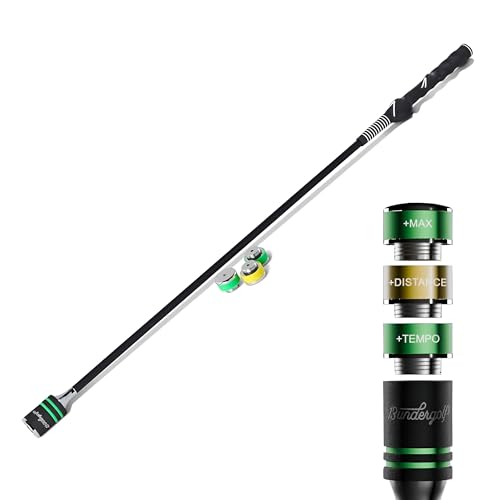
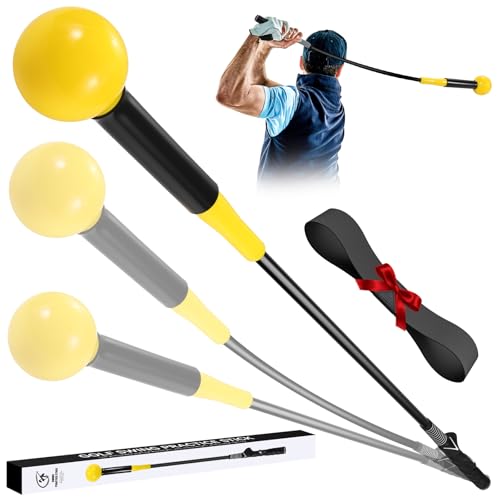
Practice this with a swing tempo trainer or simply by making half‑swings that feel effortless. You’ll be surprised how far the ball goes when you catch it flush.
Smooth Downswing Sequence – Let Your Body Lead
Aggressive lateral slides or fast rotations can aggravate back and knee issues. Instead, initiate the downswing with a subtle shift of your lead hip toward the target while keeping your head behind the ball. This creates a powerful, controlled sequence:
- Pressure moves into your lead foot.
- Your arms drop naturally as your lower body begins to clear.
- Release the clubhead fully by letting your right forearm rotate over your left through impact.
Using a impact bag can train the feel of proper weight shift and hand position at impact without taking a full swing. It’s one of the safest ways for seniors to build muscle memory.
Equipment That Immediately Helps a Senior Swing
The right gear can compensate for lost flexibility and swing speed. Here are the most impactful changes you can make:
- Lightweight graphite shafts – They add clubhead speed and are easier on the joints. A set of game improvement irons with senior flex graphite shafts (starting at around $600+) can transform your iron play.
- Higher‑lofted driver – A 12° or even 13.5° driver with a senior flex shaft helps launch the ball higher and straighter. See our guide on drivers for distance and accuracy.
- Hybrids replace long irons – Hybrids are much easier to launch and more forgiving on mishits. A 4‑hybrid through 6‑hybrid setup is common among senior players.
- Low‑compression golf balls – Balls designed for slow swing speeds, such as those in the senior ball category, compress more easily and fly farther with less effort.
- Push cart or electric trolley – Walking with a push cart or electric trolley saves energy and keeps you loose between shots.
Even small upgrades, like a large umbrella for shade and protection, can make the round more comfortable and reduce fatigue.
Simple Daily Flexibility Exercises for Senior Golfers
You don’t need a gym membership to improve your golf mobility. Dedicate 10–15 minutes a day to these gentle movements, and you’ll feel a noticeable difference in your turn and posture.
Hip & Trunk Mobility
- Seated torso twists – Sit upright, cross your arms over your chest, and rotate slowly side to side. Perform 10 reps each direction.
- Hip openers – While standing, lift one knee and rotate it outward, then return. This mimics the golf hip movement and improves range of motion. Try the drills on our hip mobility page.
Shoulder & Upper Back
- Arm circles – Large, slow circles forward and backward loosen the shoulder joints. Use a lightweight training club or just your arms.
- Wall angels – Stand with your back against a wall, arms at 90° like a goalpost. Slide them up and down without lifting your back. Great for thoracic spine mobility (see more in our shoulder mobility guide).
Pre‑Round Warm‑up
Never skip the dynamic warm‑up. Spend 5 minutes doing half‑speed swings, torso rotations, and walking lunges to activate muscles before you hit the first tee.
At‑Home Drills to Groove a Senior‑Friendly Swing
- Towel Drill – Place a rolled‑up towel under your lead armpit and make half swings. The towel stays in place, encouraging a connected, compact backswing without overswinging.
- Feet‑Together Drill – Hit balls with your feet touching. This forces you to stay in balance and rely on arm swing and turn rather than excessive lateral movement. It’s one of the best drills for senior rhythm.
- Impact Bag Compression – Use an impact bag to practice the feeling of a forward‑leaning shaft and a centered strike. It’s low‑impact and can be done on a mat at home.
- One‑Handed Swings – Swing a mid‑iron using only your lead hand. This builds strength and teaches a full release without tension. Then repeat with your trail hand.
Play Smarter, Not Harder: Course Management for Seniors
With a flexibility‑adjusted swing, you’ll still hit great shots. But to score your best, adjust your strategy too:
- Move up a tee box – There’s no shame in playing from the forward tees. It turns long par‑4s into reachable holes and keeps you in the game.
- Club up and swing easy – Instead of maxing out a 7‑iron, take a smooth 6‑iron. A controlled swing often produces the same distance with far better accuracy. Read more on smart club selection.
- Prioritize low‑stress shots – Use a hybrid or fairway wood from the rough instead of forcing a long iron. Keeping the ball in play reduces physical stress and saves strokes.
Enjoy the Game for Years to Come
Golf is a lifetime sport, and with the right swing modifications, proper equipment, and a little daily mobility work, you can continue to hit quality shots and compete with friends long after others have walked away. Embrace the adjustments – your body will thank you, and your scorecard will show the results.
Ready to explore gear that makes the game easier? Check our top picks below, all selected specifically for senior golfers with slower swing speeds and flexibility concerns.