Best Golf Balls for High Handicappers: Expert Buying Guide & Top Picks
Struggling with slices, inconsistent distance, or poor greenside control? The right golf ball can transform your game. Discover the top-rated, forgiving balls designed specifically for high handicappers.
Our Philosophy: High handicappers don’t need tour-level spin and firm feel. We focus on low-compression, soft-feel, and high-launch golf balls that reduce sidespin on mishits, add easy distance, and improve scoring – without breaking the bank.
Why the Right Golf Ball Matters for High Handicappers
Many recreational golfers grab whatever ball they find in the bushes, but using a ball that matches your swing speed and typical miss can shave strokes instantly. High handicappers tend to have slower to moderate swing speeds and struggle with slicing or topping the ball. A well‑chosen ball reduces sidespin, launches higher, and stays softer around the greens – all while being durable enough for the occasional scuffed shot.
If you’re still searching for the perfect equipment, our golf gear guides can help you build a complete setup, from drivers to wedges. But today we’re focusing solely on the sphere that makes every shot possible.
What to Look for in a Golf Ball for High Handicappers
1. Compression – Low is Your Friend
Compression measures how much a ball deforms at impact. Low-compression balls (typically 50–70 compression) are easier to compress for slower swing speeds (under 95 mph). They generate more ball speed and distance while feeling soft. Mid‑compression (70–90) works well for moderate swing speeds around 95–105 mph. If you often play in cool weather or have a very deliberate tempo, low‑compression golf balls for slow swing speeds can be a game‑changer. For a detailed breakdown, our guide on balls for slow to medium swing speeds explains which models fit your exact tempo.
2. Cover Material – Ionomer vs. Urethane
Ionomer (Surlyn) covers are more durable and reduce spin, which helps straighten out slices and hooks. They’re the go‑to for many high handicappers. Urethane covers offer more greenside spin and a softer feel but cost more and are less forgiving on mishits. If you want a balance, some two‑piece balls with a soft ionomer mantle provide surprising control without sacrificing forgiveness. Our soft feel golf balls category compares options that help you hold the green without demanding tour‑level swing mechanics.
3. Spin – Less Off the Tee, More Around the Green
High handicappers benefit from low spin off the driver to minimize side‑curvature (slicing/hooking). However, a ball that’s too low spin can feel rock‑hard on chips and pitches. Modern forgiving golf balls for high handicappers use clever dimple patterns and core designs to give you the best of both worlds: low driver spin and respectable short‑game grab. We’ve also curated a list of the best low‑spin golf balls for high handicappers if your miss is consistently off the tee.
4. Price & Durability
Losing fewer balls is the goal, but at higher handicaps you’ll still lose a sleeve per round. Look for balls in the $20–$50 per dozen range that offer excellent value. Two‑piece distance balls are often the most economical. If you want premium performance at a mid‑price, consider “tour value” lines from major brands. For those on a tight budget, our beginner golf ball recommendations highlight reliable performers under $25/dozen.
Matching Your Swing Speed to the Right Golf Ball
Not all high handicappers swing the same speed. Tailoring your ball to your driver swing speed unlocks free distance and consistency.
- Slow swing speed (under 85 mph): Ultra‑low compression balls (50–60) help you launch higher and carry farther. Seniors and players with smooth transitions will love the extra pop. See our dedicated picks for high handicappers with slow swing speeds.
- Moderate swing speed (85–95 mph): Look for compression in the 60–70 range. These balls balance distance and feel. The slow to medium swing speed guide has several excellent candidates.
- Faster swing speed (95+ mph) but still high handicap: You can compress firmer balls but still need forgiveness. A mid‑compression (75–85) ball with a soft cover or mantle helps control spin. Our best ball for high handicap with high swing speed page narrows down the top performers.
If you're unsure where you fall, spending a session with a launch monitor can reveal your average clubhead speed. Even without one, paying attention to how far you carry your 7‑iron (roughly 130‑140 yards suggests slow to moderate speed) gives a useful approximation.
Editor’s Top Picks at a Glance
While the product grid below contains our full, dynamically updated list, here are the ball categories we recommend for most high handicappers:
🏆 Best Overall for High Handicappers
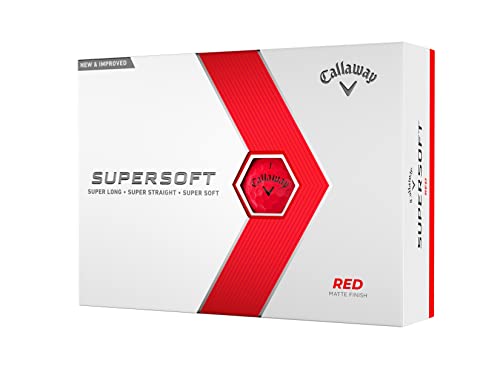
Two‑piece, low‑compression ionomer balls from major brands (Titleist TruFeel, Callaway Supersoft, Srixon Soft Feel) deliver extreme softness, low spin off the driver, and a price point that won’t hurt after a lost ball. They’re the ideal starting point for anyone shooting above 90.
🚀 Best for Maximum Distance
If you need every yard off the tee, look at low‑spin, high‑launch distance balls with a high‑energy core. Models in our distance golf balls category are engineered to straighten out fades and add rollout. Just be aware that greenside spin will be limited – but for many high handicappers, getting to the green in fewer strokes matters more than stopping a 5‑iron on a dime.
🎯 Best for Short Game Improvement
Some high handicappers want to practice chipping and pitching with a ball that provides feedback. Urethane‑covered balls like the Titleist Tour Soft or Callaway Chrome Soft offer a softer feel and better spin on pitches. Our premium golf balls list includes these models if you’re ready to invest a bit more in your short game.
Remember, the best ball for you balances your typical miss pattern, desired feel, and budget. Don’t be afraid to experiment with a sleeve of each before committing to a full dozen.
Practice and Drills to Get the Most from Your New Ball
While the right equipment helps, improving your swing fundamentals amplifies the benefits. High handicappers can accelerate improvement by combining a forgiving ball with targeted practice:
- Use practice nets and hitting mats at home to groove a consistent strike.
- Work on distance improvement drills with your new low‑compression ball – you’ll likely see immediate carry gains.
- Incorporate flexibility exercises and swing speed training to move into a higher speed bracket over time, opening up even more ball options.
- If you’re losing strokes around the green, the putting tips and chipping guide will help you capitalize on the ball’s short‑game characteristics.
Ready to find your perfect golf ball? Browse our curated list of the best options for high handicappers below.
See Top Golf Balls for High Handicappers