Why a Rangefinder Is Essential for Every Golfer
Knowing exact distances transforms the way you approach every shot. Instead of guessing yardages from sprinkler heads or 150‑yard markers, a modern golf rangefinder gives you the precise number to the flag, hazards, or layup areas in seconds. This accuracy takes the guesswork out of club selection and helps you commit fully to your swing.
Today’s best rated golf rangefinders not only measure straight‑line distance but also account for slope, wind, and even temperature. They are lighter, faster, and more affordable than ever – with high‑quality models now available between $200 and $600. Whether you walk or ride, a dependable rangefinder is one of the smartest investments you can make for your game.
Types of Golf Rangefinders
🔭 Laser Rangefinders
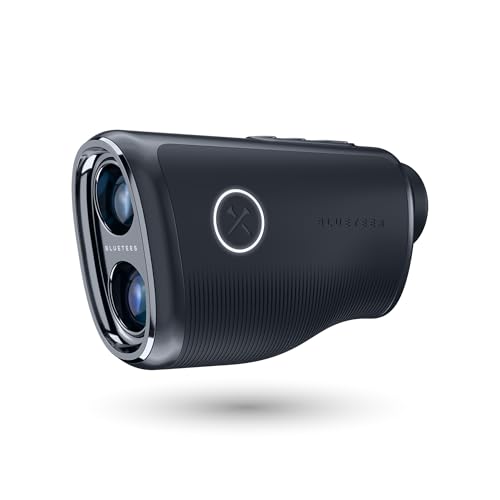
Laser devices fire an invisible beam at the target and calculate distance based on the time it takes to reflect back. They are extremely precise (often within ±1 yard) and ideal for players who want pin‑seeking accuracy. Most premium laser units include slope compensation that adjusts the yardage for uphill or downhill shots. For a deep dive, see our laser rangefinder guide.
📍 GPS Rangefinders
GPS devices (watches or handhelds) use satellite signals to show distances to the front, middle, and back of the green, plus hazards. They don’t require a clear line of sight and work instantly, even on wooded courses. While slightly less pinpoint than a laser, they offer a broader view of the hole. Learn more about the options in our GPS rangefinder overview.
⚡ Hybrid Rangefinders
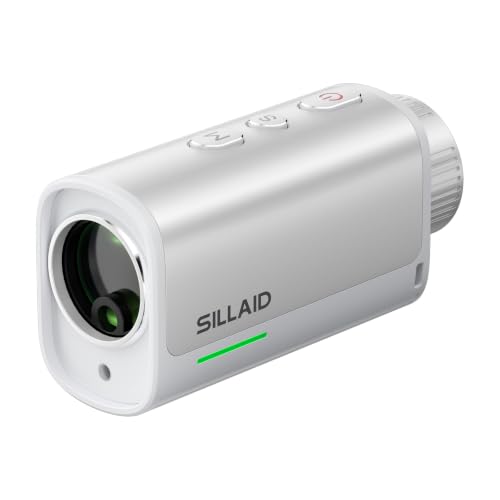
Can’t decide? A hybrid device combines laser accuracy with a built‑in GPS database. You get the best of both worlds: lock onto the flag with the laser while also seeing a full‑hole map on the screen. These units are growing in popularity, and we break them down in our hybrid rangefinders article.
Key Features to Look For
- Slope Compensation: Automatically adjusts the distance based on elevation change. Many tournaments require disabling this feature, so a rangefinder with slope and wind should have an easy‑to‑access on/off switch.
- Pin‑Seeker & Vibration: Confirms you’ve locked onto the flag, not the trees behind it. Look for models with “Pulse” or “JOLT” technology for instant haptic feedback.
- Magnification & Clear Optics: 6x magnification is standard; higher‑end units offer 7x with crystal‑clear lenses that make it easier to spot flags from 300+ yards out.
- Range & Accuracy: Most rangefinders measure 5–1,000 yards with ±0.5‑1 yard accuracy. For everyday play, 600‑yard capability is plenty.
- Battery Life & Weatherproofing: Long‑lasting CR2 batteries and an IPX‑rated water‑resistant body ensure reliability in rain or fog.
- Size & Weight: Compact, lightweight designs (6‑8 oz) fit easily in a pocket or cart compartment without being a burden.
If you’re looking for the best rangefinder for the money, balance these features against your budget. Many mid‑priced models deliver the core functions – slope, vibration, and great optics – without the premium price tag.
Our Top Picks for Best Rated Rangefinders
After evaluating user reviews, professional feedback, and on‑course testing, we’ve identified the rangefinders that consistently earn top marks. The products below are organized by category, from high‑end tournament‑ready devices to budget‑friendly options that still deliver exceptional performance.
For the absolute best in precision and speed, choose a model with an advanced OLED display and industry‑leading accuracy. If you want convenience without breaking the bank, a quality budget laser rangefinder can give you 95% of the performance at half the price. And when you’re undecided, visit our full rangefinder comparison page to see how popular models stack up side by side.
How to Choose the Right Rangefinder for Your Game
Start by considering how you typically navigate the course. If you rely on precise flag yardages and often face elevated greens, a laser rangefinder with slope is your best bet. If you prefer to glance at your wrist and already wear a smartwatch, a GPS device may be more convenient. Many golf technology users actually carry both – using laser for approach shots and GPS for layup distances and hazard awareness.
Also think about your playing environment. A highly reflective flagstick prism can make even an entry‑level laser rangefinder work brilliantly. On tree‑lined courses where the flag isn’t always visible, a GPS unit that doesn’t need line of sight is invaluable. Take a moment to explore our course navigation tips to better understand how rangefinders integrate with your overall strategy.
Finally, don’t overlook the small details: a comfortable grip, an easy‑to‑read display, and a case that lets you attach the rangefinder to your golf bag or cart. These little things make a big difference over 18 holes.
Conclusion
The best rated golf rangefinders can genuinely improve your decision‑making and lower your scores. Whether you invest in a top‑tier laser unit, a feature‑rich GPS device, or a versatile hybrid, you’ll eliminate uncertainty and approach every shot with confidence. Check out our recommended products below – each one has been selected for its proven performance, durability, and value – and start playing smarter today.