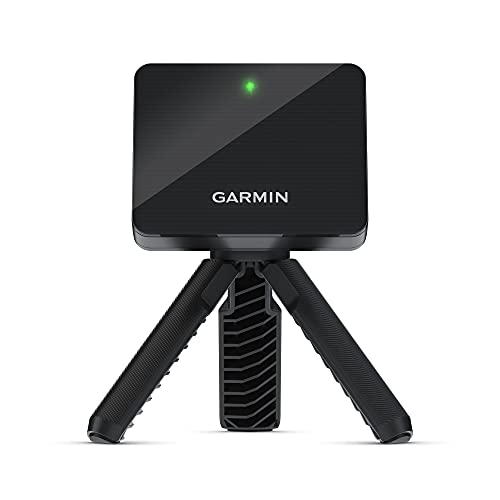
Best Launch Monitor for Hitting Into a Net
Turn your net practice into data‑driven training. Discover the right launch monitor to capture ball speed, spin, and launch angle – even when you can’t see the full flight.
Why You Need a Launch Monitor for Net Practice
Hitting into a net is a convenient way to work on your swing, but without visual ball flight, you lose the feedback that makes practice effective. A launch monitor acts as your digital eyes, instantly measuring what the ball does at impact. Whether you use a basic practice net or a dedicated golf simulator setup, the right device transforms dead‑ball drills into meaningful sessions where every swing teaches you something.
Key Metrics to Track When Hitting Into a Net
- Ball Speed – the foundation of distance.
- Launch Angle – how high the ball leaves the clubface.
- Spin Rate – backspin and sidespin that shape your shot.
- Club Head Speed – essential for distance improvement.
- Smash Factor – energy transfer efficiency.
- Carry Distance – estimated or measured, helps you understand real‑world results.
For net use, spin is often the hardest metric to measure accurately. Camera‑based systems excel here, while some radar units require a certain amount of ball flight. A good launch monitor comparison will show you which models deliver reliable spin data indoors.
Radar vs. Camera‑Based Launch Monitors
Radar devices track the ball through the air using Doppler technology, which makes them ideal for outdoor full‑flight sessions. However, when you’re hitting into a net, the ball only travels a few feet – many radar units need a minimum distance to capture spin. Camera and photometric systems, on the other hand, analyze impact in a fraction of a second, making them naturally suited for confined spaces. If you plan to eventually build a golf simulator, a camera‑based launch monitor often doubles as the core sensor for simulation software.
Features That Matter Most for Net Use
When choosing a device, prioritize these capabilities:
- Indoor / short‑flight mode – some radars offer a dedicated mode that works with limited ball travel.
- Accurate spin measurement – non‑negotiable for understanding shot shape; camera units usually lead here.
- App and software integration – look for compatibility with simulation apps if you later want a full simulator setup.
- Compact footprint – portable monitors save space and are easy to store.
- Club data vs. ball data – some personal launch monitors also measure club path, which is helpful when you can’t see the result.
Setting Up Your Launch Monitor with a Net
Position the unit according to the manufacturer’s guidelines – radar models typically sit behind the hitting area, while camera units may need a side or slightly rear view. Use a sturdy hitting mat to keep the sensor level and consistent. Calibrate the device, hit a few test shots, and check the data. For an even more realistic experience, many golfers pair their launch monitor with a swing analyzer that clips onto the club for additional movement data.
What to Expect in Terms of Price
Personal launch monitors suitable for net practice range from about $500 for basic ball‑speed models to $2,500+ for advanced radar or camera units with full simulation capabilities. A solid mid‑range camera‑based monitor ($800–$1,500) often hits the sweet spot – accurate spin, easy indoor use, and room to grow into simulator software. If you only need core metrics without simulation, excellent portable monitors are available under $1,000.
Common Mistakes to Avoid
- Ignoring minimum distance requirements – a radar that needs 8 feet of flight won’t work in a tight garage.
- Overlooking spin data – without spin, you’re guessing where the ball would have gone.
- Using poor lighting – camera units rely on clear, well‑lit impact zones.
- Not checking device compatibility – confirm that the launch monitor works with your phone/tablet and preferred apps.
Ready to upgrade your practice? Explore the top‑rated launch monitors below. Each has been selected for its accuracy and reliability when hitting into a net. Compare features, read the details, and find the perfect device to take your indoor training to the next level.