Best Golf Balls for Beginners – Top Picks & Buying Guide
Choosing the right golf ball can make a huge difference in your game. Learn which balls offer the best combination of distance, soft feel, and forgiveness to help you improve faster.
EXPLORE GOLF GEARGolfProAdvice Insight: Beginners often underestimate the impact of a golf ball. The right ball can add yards off the tee, improve control around the greens, and build confidence on every shot.
Why the Right Golf Ball Matters for Beginners
When you’re getting started with golf, it’s easy to focus solely on clubs and technique. However, the golf ball you choose plays a pivotal role in your overall performance. A ball designed for your swing speed and skill level can reduce sidespin off the driver, promote a higher launch, and deliver a softer feel on approach shots. On the other hand, using the wrong ball – especially one built for tour‑level swing speeds – can exaggerate mishits and cost you valuable distance.
For beginners, the ideal ball offers a combination of low compression (for easy activation at moderate swing speeds) and a durable, soft cover that still generates enough spin around the greens. This guide breaks down everything you need to know, from construction types to our top five recommendations.
Understanding Golf Ball Construction
Golf balls are generally categorized by the number of layers (pieces) and the cover material. Each design influences feel, spin, and durability.
Two‑Piece Balls – The Beginner’s Best Friend
Two‑piece balls feature a large, solid rubber core wrapped in a tough ionomer (Surlyn) cover. This construction maximizes distance and minimizes sidespin, which helps keep shots straighter. They are also the most durable option, making them ideal for golfers who are still learning to find the center of the clubface. Most soft feel balls in this category are engineered to compress easily, even with slower swings.
Three‑Piece and Multi‑Layer Balls
Three‑piece balls add a thin mantle layer between the core and cover, giving manufacturers more control over spin separation – low spin off the driver and higher spin on wedge shots. While they offer better greenside control, they often require higher swing speeds to fully activate the core. Beginners who are rapidly improving might consider a premium three‑piece premium golf ball once they consistently break 90, but starting with a quality two‑piece ball is the smartest move.
Cover Materials: Ionomer vs. Urethane
Ionomer covers (found on most distance golf balls) are hard, durable, and lower spinning. Urethane covers provide a softer, stickier feel and generate more spin on short shots. For a beginner, ionomer is the clear winner – it’s more forgiving, less expensive, and lasts longer through those inevitable cart path encounters.
Compression: The Key Factor for Beginner Swing Speeds
Compression measures how much a ball deforms at impact. Lower compression balls (typically rated 60–70) compress more easily, helping players with driver swing speeds under 90 mph achieve higher launch and more carry distance. If you’re unsure of your swing speed, chances are you fall into this category as a beginner.
We’ve written extensively about low compression golf balls for slow swing speeds and specifically the best golf ball for slow swing speed. As a rule of thumb, if you’re just starting out, stick with compression ratings below 70 – these will give you the easiest launch and softest feel without sacrificing control.
Top 5 Best Golf Balls for Beginners
After testing dozens of models, we’ve identified five balls that deliver exceptional value, forgiveness, and all‑around performance for new golfers. Prices are approximate per dozen.
-
Titleist TruFeel – $22–$25
The softest Titleist offers a low‑compression core and a thin TruFlex cover that provides excellent greenside feel. It’s the perfect blend of softness and durability for a beginner. -
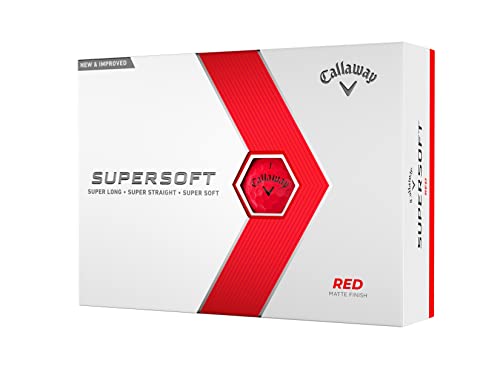
Callaway Supersoft – $22–$24
A perennial favorite thanks to its ultra‑low compression core. The Supersoft launches high, flies straight, and feels remarkably soft off every club in the bag. -
Srixon Soft Feel – $20–$23
With a resilient ionomer cover and a lively core, the Soft Feel combines distance with a cushioned impact sensation. It’s also one of the best options for golfers who want a softer ball without sacrificing durability. -
Wilson Duo Soft – $20–$22
Engineered for maximum compression at moderate swing speeds, the Duo Soft is arguably the softest ball on the market. It’s an excellent choice for seniors, juniors, or anyone looking to reduce hand sting on mishits. -
Bridgestone e6 – $25–$28
Designed to neutralize slice and hook spin, the e6 helps keep your tee shots in the fairway. Its two‑piece construction and soft feel make it a fantastic all‑around ball for beginners who struggle with accuracy.
All five of these balls fall into the category of soft feel golf balls and are widely available at pro shops and online retailers.
How to Choose the Best Ball for Your Game
When narrowing down your options, consider these factors:
- Swing Speed: If you swing under 85 mph, stick with compression ratings of 50–60. Between 85–95 mph, you can comfortably use a mid‑compression ball (60–70).
- Budget: Two‑piece ionomer balls are the most affordable. You can stock up on practice golf balls or previous‑generation models to save even more.
- Feel Preference: Some beginners love the buttery sensation of an ultra‑soft ball, while others prefer a firmer click. Buy a sleeve of two different models and hit some chips and putts to see what you like.
- Durability: If you’re still prone to heavy contact, an ionomer cover will outlast urethane by a wide margin.
Still unsure? Visit our complete golf balls hub for side‑by‑side comparisons and more in‑depth reviews.
Practice vs. Premium: What Should Beginners Buy?
One of the most common mistakes new golfers make is buying expensive tour balls before they have the swing to benefit from them. A high‑compression premium golf ball often flies lower and spins more off the tee, exaggerating slices and hooks. Instead, dedicate most of your practice time with affordable two‑piece balls, and keep a sleeve of something slightly spinnier (like a three‑piece ionomer) for when you play a full round.
Equally important is how you practice. Pair your chosen balls with proper golf gear and spend quality time on the chipping green and putting mat. The feel around the greens is where a ball truly reveals its character.
Common Mistakes Beginners Make When Buying Golf Balls
- Buying the most expensive ball – Price does not equal performance for your swing.
- Ignoring compression – A ball that feels like a rock will cost you distance.
- Using damaged or old balls – Scuffed covers alter flight and reduce consistency.
- Not testing different models – Feel is personal; what works for your friend may not suit your game.
Frequently Asked Questions
Q: What is the best golf ball for a beginner with a slow swing speed?
A: The Callaway Supersoft or Wilson Duo Soft are excellent choices due to their ultra‑low compression cores that launch high and fly straight.
Q: Should beginners use urethane or ionomer balls?
A: Ionomer is recommended – it’s more forgiving, durable, and significantly cheaper while still providing adequate greenside control.
Q: How many balls should a beginner carry?
A: Start with at least a dozen. You’ll lose several, especially on courses with water hazards or thick rough.
Q: Do colored golf balls perform the same as white?
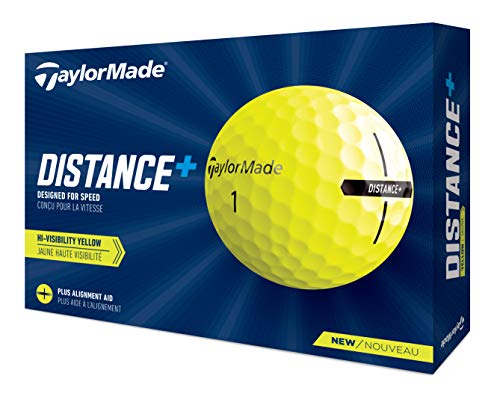
A: Yes, the color is purely cosmetic. Many beginners prefer yellow or matte orange balls because they’re easier to track in flight.
Ready to Lower Your Scores?
Selecting the right golf ball is one of the quickest, most affordable ways to improve your game. Start with a soft, low‑compression two‑piece model from our list above, and you’ll instantly notice straighter flight, longer carry, and a more confident feel on every shot. Once you’ve mastered the fundamentals, you can always experiment with spinnier options, but for now, give yourself the forgiveness you deserve.
Browse our recommended products below to find the best deals on beginner‑friendly golf balls, or explore more equipment guides in our golf gear section.