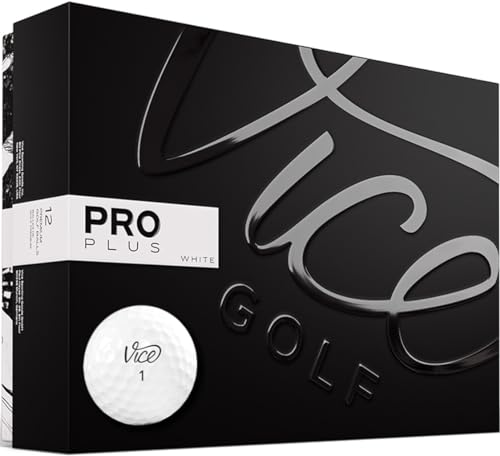
Why Ball Selection Matters at High Swing Speeds
When your driver swing speed consistently sits above 100 mph, the ball you play becomes a performance tool, not just an accessory. At these speeds, impact creates tremendous energy that can turn a poorly matched ball into a distance‑killing machine. Soft, low‑compression balls designed for moderate swings tend to over‑compress, producing excessive spin off the driver. That spin causes the ball to balloon, reducing rollout and overall distance. Conversely, a ball with the right compression and cover can help you harness that power for a penetrating, low‑spin flight that stays in the fairway and maximizes carry.
Understanding the optimal compression for 100 mph swing speeds is the foundation of making a smart choice. Once you match compression to your speed, you can fine‑tune feel, greenside control, and durability.
Key Factors to Consider
Compression – The Core of Performance
Compression measures how much a ball deforms at impact. For swings over 100 mph, balls with a compression rating of 90 or higher are ideal. High‑compression cores resist over‑flattening, transferring more energy directly into ball speed and reducing driver spin. Balls in the 90‑105 compression range (often called “tour” or “high‑performance” models) deliver a powerful, stable flight. If you use a ball with compression below 80, you’ll likely notice inconsistent distances and higher spin off the tee.
If you want to dive deeper into the science behind compression and how it interacts with your exact speed, our dedicated guide on best golf ball compression for 100 mph breaks down the numbers.
Cover Material – Urethane vs. Surlyn
Cover material largely determines how the ball reacts on short shots and putts. Urethane covers provide a soft, tacky feel and generate high friction for spin around the greens—perfect for skilled players who want control. Almost all premium tour balls use multi‑layer urethane covers. Surlyn (ionomer) covers are firmer, more durable, and reduce overall spin, which can help some high‑speed players keep the ball straighter off the tee but may sacrifice greenside finesse.
For most golfers with 100+ mph swings, a multi‑layer urethane ball offers the best blend of tee‑to‑green performance. Explore our overview of tour performance golf balls to see which models consistently top the charts.
Dimple Design and Aerodynamics
Dimple patterns influence lift, drag, and overall trajectory. At high speeds, a well‑designed dimple configuration keeps the ball on a stable, penetrating flight without excessive ballooning. Most modern premium balls use a 3‑, 4‑, or 5‑piece construction where each layer contributes to a specific goal: speed off the driver, lower spin with long irons, and high spin with wedges.
Top Ball Categories for 100+ MPH Swing
After years of testing and feedback from high‑speed players, a few categories consistently rise to the top:
- Tour Urethane Balls (e.g., Titleist Pro V1, TaylorMade TP5, Callaway Chrome Soft X): These multi‑layer balls offer the best combination of low driver spin, high wedge spin, and soft feel. Expect to pay around $45–$50 per dozen. They are the benchmark for players who demand complete tee‑to‑green control.
- Distance‑Oriented High‑Compression Balls (e.g., Titleist Velocity, Callaway Warbird): If you primarily want to maximize yardage and reduce sidespin, a firmer, surlyn‑covered distance ball can be an excellent value. They often fly on a lower, more piercing trajectory and cost $25–$35 per dozen.
- High‑Speed Specific Models: Some manufacturers design balls specifically for swing speeds above 105 mph, featuring ultra‑firm cores and low‑spin covers. These are less common but can be a game‑changer for elite swingers.
For those purely focused on squeezing every possible yard out of the tee box, we’ve compiled a separate look at the top distance golf balls for 100 mph swing speeds.
How to Choose the Right Ball for Your Game
Begin by confirming your actual driver swing speed. While launch monitors at a fitting studio are the most accurate, even a consumer‑grade personal launch monitor can give you a reliable reading. Many high‑handicap players over‑estimate their speed, so objective data is essential.
Next, prioritize what matters most: distance, spin control, feel, or durability. If you hit a wide range of shots and play on fast greens, spend the extra money on a tour urethane ball. If you sometimes struggle with consistency off the tee, a lower‑spinning distance ball might keep you in play more often without breaking the bank.
Also consider the conditions you normally face. Windy courses demand a ball with a stable, penetrating flight; soft, receptive greens reward high spin on approach shots. Fortunately, most high‑compression premium balls perform well across conditions.
Frequently Asked Questions
What compression rating is best for a 100‑105 mph swing?
Look for balls with compression between 90 and 100. Many popular tour balls fall right in this window and will give you excellent energy transfer without sacrificing feel.
Can I use a low‑compression ball if I have a fast swing?
While possible, it’s not optimal. Low‑compression balls tend to spin too much off the driver for high‑speed players, leading to ballooning and lost distance. You may also experience a mushy feel at impact.
Do expensive balls really make a difference?
For high swing speeds, yes. The multi‑layer construction and urethane cover of premium balls are specifically engineered to handle the forces generated at 100+ mph. The result is measurably better performance, particularly in greenside spin and trajectory control.
How often should I change my golf ball?
Check for scuffs, cuts, or loss of luster. A worn cover can alter aerodynamics. With a high swing speed, expect to replace balls more frequently—after 2‑3 rounds or any cart path encounter.