Best Golf Balls for New Golfers: A Complete Beginner’s Guide
Find the perfect golf ball to boost confidence, control, and enjoyment from your very first round.
EXPLORE BEGINNER TIPSWhy the right ball matters: As a new golfer, the ball you play directly affects distance, forgiveness, and feel. Choosing wisely can shorten your learning curve and make practice more rewarding.
Why Golf Ball Choice Is Crucial for Beginners
Many newcomers grab any ball they find, but a ball designed for a tour pro won’t help a developing swing. A ball that’s too firm or high‑spinning can exaggerate slices and hooks, while a well‑matched beginner ball promotes straighter, longer shots. Paired with solid swing fundamentals, the right ball can transform your early experiences on the course.
Beginners typically benefit from balls that offer low spin off the driver (to reduce side‑spin), a soft feel around the greens (to build confidence), and ample durability to survive plenty of mishits. The good news is that many of the best options for new golfers are also the most affordable.
Understanding Golf Ball Construction and Compression
Golf balls are built in layers, and the construction directly influences performance. As a beginner, you’ll most often encounter two‑piece and three‑piece designs.
- Two‑piece balls: A large, solid core wrapped in a durable cover. They maximize distance and reduce spin, making them ideal for beginners. Distance golf balls are almost always two‑piece.
- Three‑piece (and multi‑layer) balls: Add a mantle layer to fine‑tune spin and control. Some soft feel balls use three layers to deliver a plusher sensation without sacrificing distance.
Compression refers to how much the ball deforms at impact. Lower compression (under 70) is easier to compress at slower swing speeds, producing more ball speed and a softer feel. Higher compression (90+) requires faster swings to activate the core. Most new golfers and high‑handicap players will see the best results with low‑to‑mid compression balls, especially if they have a slower swing – you can read more in our guide on the best golf ball for high handicap with slow swing speed.
Types of Golf Balls Every New Golfer Should Know
When browsing the aisles (or an online store), you’ll notice a few main categories. Here’s how they translate to your game as a beginner:
These emphasize a cushioned impact sensation and enhanced greenside control. They often use an ionomer cover with a low‑compression core, making them forgiving on mishits. If you struggle with feeling connected to your shots, a soft feel golf ball can provide immediate feedback and confidence.
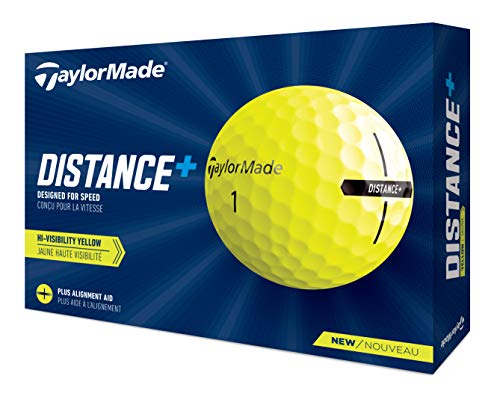
Built purely for raw length, these two‑piece rocks minimize spin and boost roll. They’re typically the most affordable and durable option, perfect for the new player who loses a few balls per round. Explore our distance ball recommendations to find models that won’t break the bank.
Many brands offer recycled, refinished, or bulk packs specifically for practice. These are ideal for the driving range and backyard net sessions. Check out our practice golf balls page for affordable ways to stock up.
Premium golf balls deliver exceptional spin and feel, but they demand a consistent swing to justify the price. As a beginner, you’ll lose far too many of these costly balls before you can truly benefit from their technology.
Matching the Ball to Your Swing Speed
Not every beginner swings the same way. If you’ve already measured your driver speed (or can estimate it), use these guidelines:
- Slow swing (under 85 mph): Stick with low‑compression, soft‑feel balls. They’ll launch higher and carry farther with less effort. Our dedicated guide lists the top performers for slow swing speeds.
- Moderate swing (85–95 mph): A mid‑compression distance ball often gives the best blend of length and forgiveness.
- Faster swing (95+ mph): Even as a beginner, you might benefit from a slightly firmer ball to control spin. However, the most important factor is still reducing side‑spin; consider a forgiving ball for high handicappers.
If you’re unsure, start with a value‑priced two‑piece distance ball and adjust as your swing develops. You’ll quickly learn what feels best without wasting money.
How Much Should a New Golfer Spend on Golf Balls?
Beginner‑friendly golf balls typically cost between $15 and $30 per dozen. At this price point you get durable, consistent performance without the heartbreak of losing a $5 ball. As you improve and lose fewer balls, you can consider stepping into the $30–$40 range for a softer urethane cover – but by then you’ll likely have graduated from “new golfer” status. Remember to check our golf gear section for deals and bundles that pair balls with other essential equipment.
Quick Checklist for Picking Your First Golf Ball
- Budget: Stay under $30/dozen initially.
- Compression: Low (50–70) for slow swings, mid (70–90) for moderate.
- Cover: Ionomer/Surlyn for durability and lower spin; Urethane only if you have a repeatable short game.
- Feel: Softer balls boost confidence; firmer balls give a “clicky” sound some beginners dislike.
- Where to start: Grab a sleeve (3‑ball pack) of a popular soft feel or distance model and test it during a practice round.
Ready to Find Your Perfect Golf Ball?
Choosing the best golf ball for new golfers doesn’t have to be complicated. Focus on forgiveness, affordability, and a feel that inspires trust. Once you’ve played a few rounds, you’ll naturally develop a preference. In the meantime, rely on the expert‑selected products below – each one is chosen specifically to help a beginner enjoy the game from tee to green.