Understanding Golf Ball Basics
Choosing the right golf ball can dramatically influence your distance, accuracy, and overall enjoyment of the game. For women golfers, the ball you play must complement typically moderate swing speeds and prioritize a soft feel off the clubface. A two‑piece ball with a large, low‑compression core is often the best starting point, but construction details make a real difference.
The cover material affects spin and durability: Surlyn® covers deliver more distance and cut‑resistance, while urethane covers generate higher spin for greenside control. Similarly, dimple patterns influence trajectory and stability in the wind. Understanding these elements helps you match the ball to your swing, not the other way around. Our golf gear section covers all the essential equipment, but today we’ll focus exclusively on the sphere that makes every shot possible.
Key Factors for Women’s Golf Balls
Swing Speed & Compression
Most lady golfers have driver swing speeds between 60 and 85 mph. A ball with a compression rating of 40–60 allows the club to transfer energy efficiently, creating higher launch and longer carry without sacrificing feel. Low compression balls for slower swing speeds are designed exactly for this profile, giving you effortless distance even on off‑center strikes.
Feel & Control
Softer balls provide a buttery sensation on putts and chips, boosting confidence around the green. If you value feedback and the ability to stop the ball quickly on approach shots, look for a three‑piece urethane model. These premium golf balls offer tour‑level spin but still come in softer compressions suitable for women.
Launch & Forgiveness
Many women’s balls are engineered with a high‑moment‑of‑inertia core and aerodynamic dimple design that promotes a towering flight. A most forgiving golf ball for high handicappers often doubles as an excellent choice for ladies seeking straighter, longer shots, as it reduces sidespin and keeps the ball in play.
Types of Golf Balls for Ladies
Soft Feel Golf Balls
Soft feel golf balls are the most popular category among women. They feature extremely low compression (often below 50) and a thin cover that enhances the sensation at impact. Ideal for moderate swing speeds, these balls maximize distance while providing a plush feel on every club.
Distance Golf Balls
If you’re looking to add yards off the tee, distance golf balls use a firmer mantle layer and a resilient core that rebounds faster at impact. They typically have a slightly higher compression than soft feel models but still remain in the low‑60s range, making them accessible for ladies who generate a bit more clubhead speed.
Low Compression Balls
Specifically built for speeds under 85 mph, these balls compress fully at impact, converting more of your swing energy into ball speed. The result is higher trajectory and longer carry. Many models in this class also feature a soft cover for adequate greenside spin. For a tailored recommendation, see our guide on the best golf ball for ladies with a slow swing speed.
Premium Tour Balls
Advanced players with higher swing speeds or those who demand maximum control often prefer three‑piece urethane balls. These tour performance balls deliver exceptional spin separation – low spin off the driver for distance, high spin off wedges for stopping power. While traditionally aimed at men, many brands now produce women‑specific versions with softer compressions that retain all the performance characteristics.
How to Choose Your Ideal Golf Ball
Start by honestly assessing your average driver swing speed. If you’re unsure, our resource on finding the right golf ball for your swing speed provides a step‑by‑step method. Then consider your priorities:
- Distance focus: Opt for a two‑piece distance ball with a large, high‑energy core.
- Soft feel & short game control: Choose a three‑piece urethane ball in a low compression.
- Budget & durability: Surlyn‑covered balls last longer and cost less, while urethane models offer more spin but wear faster.
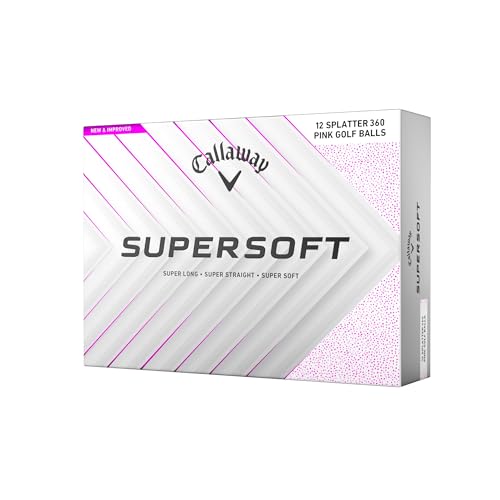
- Color & visibility: Matte finish and vibrant colors (pink, yellow, green) make the ball easier to track, especially in overcast conditions.
If you frequently lose balls, don’t overlook the value of practice golf balls or lower‑priced distance balls while you’re developing consistency. As your game evolves, you can always move into a spinnier, premium model.
Practice and Training Balls
Dedicated practice balls allow you to rehearse at home or on the range without worrying about losing your gamers. Many manufacturers offer logo‑overrun or recycled balls that perform identically to new ones at a fraction of the cost. Incorporating structured practice with the right ball builds confidence and helps you transition seamlessly to the course.
By understanding the interplay between compression, cover material, and your personal swing characteristics, you’ll be able to select a golf ball that not only performs but also makes the game more enjoyable. Remember, the best ball is the one that gives you the confidence to swing freely and attack pins.