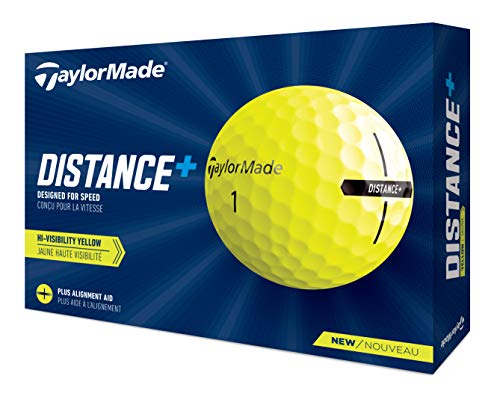
Best Golf Balls for High Handicappers: Expert Buying Guide
Find the perfect golf ball to maximize distance, improve accuracy, and make the game more enjoyable.
VIEW RECOMMENDED BALLSKey Takeaway: The right golf ball can compensate for mishits, add yards to your drives, and give you more control around the greens. High handicappers benefit most from low-compression, two-piece distance balls with a soft feel.
Why the Right Golf Ball Matters for High Handicappers
As a high handicapper, you likely lose strokes from off-center hits, inconsistent ball flight, and limited distance. Premium tour balls with urethane covers are designed for low-handicap players who prioritize spin and control, but they can exaggerate slices and hooks for slower, less consistent swings. Instead, choosing a ball built for forgiveness helps keep your shots straighter and longer, even on mishits.
A forgiving golf ball for high handicappers reduces sidespin, helping you find more fairways. Combined with a soft feel, these balls boost confidence and lower scores – the simplest equipment upgrade you can make today.
Key Features to Look For
- Low Compression (50–70) – Easier to compress at moderate swing speeds, resulting in higher launch and more distance. Ideal for swing speeds below 95 mph.
- Two-Piece Construction – A large, resilient core wrapped in a durable Surlyn or ionomer cover maximizes energy transfer and reduces spin, promoting straighter flight.
- Soft Feel – A soft outer layer improves feedback on putts and chips, giving you better distance control around the green.
- Alignment Aid – Many forgiving balls include prominent alignment lines or arrows to simplify putting setup.
Understanding Ball Compression and Swing Speed
Compression directly affects how a ball reacts at impact. If your swing speed is around 85–95 mph, a low-compression ball (50–70) will compress properly, producing a higher launch and less spin. This translates to longer, straighter shots. For speeds below 85 mph, an even softer core (below 50 compression) can maximize energy transfer. You can learn more about the relationship between speed and compression in our guide to low compression balls for slow swing speeds.
If your swing is a bit faster (above 100 mph), you may still be a high handicapper due to inconsistent contact. In that case, consider a slightly firmer ball that won't over-compress. Check our recommendations for golf ball compression for 100 mph swing speed to find the right balance.
Types of Golf Balls: Which Construction Is Best?
Not all golf balls are created equal. Here's how the three main categories stack up for high handicappers:
- Two-Piece Distance Balls – The ultimate choice for forgiveness. A massive core and tough Surlyn cover reduce spin and add yards. See our distance golf balls section for options that can add 10+ yards off the tee.
- Soft Feel Two-Piece Balls – Combine distance with a slightly softer cover for better greenside feedback. Perfect if you want extra touch without sacrificing forgiveness. Browse soft feel balls for a balanced performance.
- Multi-Layer Urethane Balls – Typically reserved for low handicappers, these provide high spin on approach shots. High handicappers often find them too spinny and unpredictable; they're better off sticking with surlyn-covered options unless you have a very high swing speed and are working on shot shaping.
We've also curated specific picks for different swing profiles: best golf ball for high handicap with slow swing speed and best ball for high handicap with high swing speed help you zero in on the perfect match.
How to Choose Between Distance and Feel
Many high handicappers wonder whether to prioritize distance or soft feel. The answer depends on where you lose the most strokes:
- If you struggle with length off the tee and consistent contact, prioritize distance. A firmer two-piece ball will fly farther and roll out more, helping you reach greens in regulation.
- If your short game and putting need work, lean toward a softer ball. The enhanced feel can improve your distance control on chips and putts, potentially saving more strokes than extra yards.
You don't have to guess – you can use our tool for finding the right golf ball for your swing speed to make an informed decision.
Frequently Asked Questions
- What golf ball should a high handicapper use?
- A two-piece, low-compression ball with a Surlyn cover is the safest bet. It maximizes distance and minimizes sidespin, keeping your shots in play.
- Do golf balls really make a difference for high handicappers?
- Absolutely. The wrong ball (e.g., a high-spin urethane tour ball) can turn a slice into a massive banana ball. A forgiving ball can straighten your flight and add significant yardage.
- Should high handicappers use soft or hard golf balls?
- Soft (low compression) is generally better because it helps slower swing speeds launch the ball higher and with less spin. However, if you have a fast but inconsistent swing, a slightly firmer two-piece ball may offer more control.
Ready to Find Your Ball?
We've handpicked the best golf balls for high handicappers across all price points. Each recommendation below is built to deliver forgiveness, distance, and a confidence-inspiring feel – so you can focus on improving your game. Simply scroll down to see the latest top-rated options.