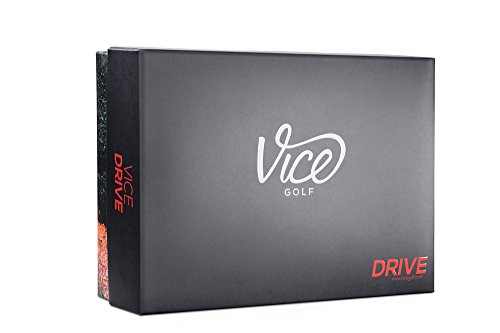
Best Golf Balls for 90 MPH Driver Swing Speed
Your swing speed of 90 mph sits in a sweet spot where the right golf ball can add distance, control, and consistency. Learn how compression, cover material, and construction affect performance—and discover the top-rated balls engineered for your game.
SEE RECOMMENDED GOLF BALLSGolfProAdvice Insight: At 90 mph driver swing speed, you generate enough force to compress the ball effectively, but not so much that you need the firmest tour-level balls. Mid-compression balls (around 80–90) offer the ideal balance of distance and feel for your swing.
Why Swing Speed Determines the Right Golf Ball
Your driver swing speed of 90 mph places you in the moderate‑speed category. Unlike players with very high speeds who need ultra‑firm balls, or those with slow swings who require extra‑soft cores, you benefit from a golf ball that deforms just enough on impact to store and release energy efficiently. This is where compression recommendations for 90 mph swing speeds become critical. A compression rating between 85 and 95 generally maximizes ball speed while maintaining a soft feel off the clubface.
Additionally, your swing fundamentals play a role. Even at 90 mph, slight inconsistencies can alter launch conditions. A ball that complements your natural launch and spin characteristics helps you hit longer, straighter drives. For a deeper dive into generating more speed, explore our guide on optimizing your swing fundamentals.
Compression: The Engine of Distance at 90 MPH
Compression directly influences how much the ball deforms and then springs off the clubface. At 90 mph, a mid‑compression ball is usually the best fit. Balls with compression around 90–95 will compress fully, delivering higher ball speeds. Some golfers with a smoother tempo might even benefit from a slightly softer 80‑compression ball, gaining a livelier feel and less vibration.
On the other hand, a very low‑compression ball (under 70) can feel “mushy” and rob you of distance, while a firm tour ball (100+) might not compress enough, resulting in a harsh feel and lower launch. If you want to fine‑tune your choice, our guide to finding the right golf ball walks through the matching process in detail. For those who prioritize pure distance, check out our top picks in distance‑focused golf balls for 90 mph.
Cover Material: Urethane vs. Ionomer
The outer cover determines spin, durability, and feel around the greens. At 90 mph, you have the option to choose either a premium urethane golf balls cover or a more affordable ionomer (Surlyn) cover. Urethane provides higher spin on wedge shots and a softer feel off the putter, which can help you hold firm greens. Many mid‑speed players find that a soft urethane cover improves their short‑game control without sacrificing driver distance.
Ionomer‑covered balls, on the other hand, reduce spin off the driver for a more piercing trajectory and are typically more durable. They are ideal if your main goal is extra yards off the tee. For a direct comparison of feel‑oriented options, see our section on soft feel golf balls.
Spin, Launch, and Ball Flight Control
At 90 mph, balancing spin and launch is key to maximizing carry distance. Too much driver spin creates a ballooning flight and robs you of roll; too little spin may cause the ball to fall out of the air prematurely. Many modern multi‑layer balls allow for low spin off the driver and higher spin on approach shots. Learning to control your ball flight starts with understanding how different ball constructions influence spin rates. A 3‑piece or 4‑piece urethane ball often gives you the best of both worlds—low driver spin and high wedge spin—making it a popular choice for the 90 mph swing speed bracket.
Feel and Short Game Performance
Distance is important, but scoring happens around the green. A ball that feels soft off the putter and provides check on chips gives you confidence. Many golfers with a 90 mph swing find that a soft feel golf ball enhances their touch without costing them distance. Pay attention to compression feel: a ball in the 85–95 range often feels satisfyingly crisp on full shots while staying responsive on delicate putts. Testing a few models is always recommended, but starting with a ball that matches your speed and feel preference dramatically shortens the learning curve.
Choose the Right Ball for Your Game
To sum up, if you swing your driver at 90 mph, look for:
- Compression: 80–95 for optimal energy transfer.
- Cover: Urethane for greenside spin and soft feel; ionomer for lower spin and more distance off the tee.
- Construction: 3‑piece or higher if you want versatility; 2‑piece if maximum durability and straight flight are your priority.
The curated selection below highlights some of the best golf balls that meet these criteria. Every product was chosen specifically for swing speeds around 90 mph, so you can shop with confidence.