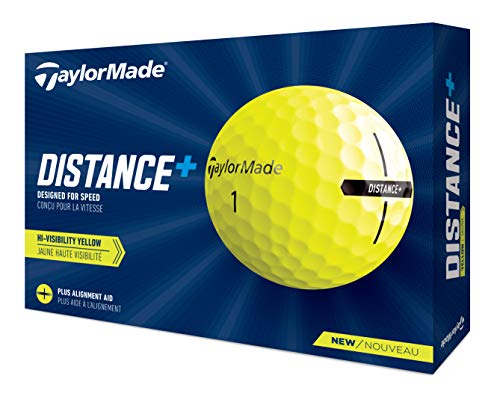
Best Golf Ball for High Swing Speed & High Handicap
Stop losing balls to the woods. Discover the perfect balance of low spin off the tee and soft feel around the greens to fix your slice and maximize your distance.
The Paradox Solved: You hit the ball a mile, but not always straight. The key isn't just a "soft" ball. You need a ball that reduces your sidespin (to keep you in play) without sacrificing the greenside control you need to save par. We'll show you exactly which balls do that.
If you are a golfer who generates significant clubhead speed but struggles with consistency, you belong to a unique category. You likely compress the ball well, but a high handicap suggests your mishits—hooks, slices, and fat shots—are severely penalized by the wrong equipment. While many golfers obsess over finding the best golf clubs for their game, the ball is the piece of equipment you use on every single shot. Choosing incorrectly can amplify your mistakes, turning a slight fade into a lost ball in the trees.
The Science: Why High Speed + High Handicap Needs a Specific Ball
Golf ball fitting is often ignored by amateurs, yet it's critical for your profile. With a driver swing speed above 100 mph, you naturally generate high ball speed and high spin. When you make poor contact, that high spin becomes excessive sidespin. A premium, high-compression ball is designed to not over-compress and "balloon," but its high-spin nature can kill your accuracy off the tee. Conversely, a low-compression distance ball might feel great but could lack the spin you need to hold a green with your short irons. The solution lies in finding a mid-to-high compression ball with a urethane cover that is engineered to reduce driver spin while maintaining wedge spin.
Compression vs. Cover: What Matters Most?
For high swing speed players, compression is crucial. A ball that is too soft (low compression) will deform too much at impact, leading to inefficient energy transfer and higher launch with less control. You need a firm core. However, the cover material is what dictates control. A Surlyn cover is durable and low-spinning, which can help on errant drives. A Urethane cover provides the grip to spin the ball on approach shots. The modern magic lies in balls that combine a firm mantle layer to kill driver spin with a soft urethane cover for greenside grip.
Key Features to Look For
When browsing the market, ignore the marketing hype about "straightest ball ever." Instead, focus on these three technical aspects that directly impact a high-speed, high-handicap player's score:
- Compression Rating (85-95): You need a ball that resists your speed just enough to not balloon. Avoid anything labeled "ultra-low compression" (usually under 70). Look for firm mid-compression or standard high-compression balls that maintain their shape under the force of your drive.
- Mantle Layer Technology: This is the secret ingredient. A firm, stiff inner layer (the mantle) sandwiched between the core and the cover acts as a barrier to reduce spin on full swings. If you hit a power fade that often turns into a slice, this mantle layer is your best friend.
- Cover Durability vs. Spin: Urethane covers offer the best spin control. Because you need to stop the ball on the green with your shorter clubs, urethane is recommended. The trade-off is that your wedges might scuff the cover slightly, but the performance benefit far outweighs the cosmetic wear.
Finding the right ball often involves trying a few different models. Many players in your position start their search within the premium golf ball category, assuming that's the only place to find high-quality urethane covers. While these are excellent, don't overlook the "value-tier" urethane offerings. They often utilize the same mantle-layer technology as their $50+ counterparts but at a significantly lower price, which is a major advantage if you're still losing a sleeve or two per round. To get the most out of your new ball, you should also evaluate your driver swing tips to understand the root cause of your sidespin, as the ball is a band-aid, not a cure, for a fundamentally flawed swing path.
The $3 Rule for High Handicaps
If you are losing more than 3 balls per round, you are not ready for the most expensive Tour-level balls (like the Pro V1 left-dash). Your consistency simply doesn't justify the cost. Start with a durable, low-spin distance ball (Surlyn cover) until you can keep the ball in play. Once you are losing 2 balls or fewer, immediately switch to a value urethane ball to unlock your short-game potential.
Quick Comparison: Top Ball Types for Your Profile
| Ball Profile | Cover | Ideal For | Expected Price |
|---|---|---|---|
| Low-Spin Distance | Ionomer/Surlyn | Players losing 4+ balls/round; extreme slicers needing max forgiveness | $25+ per dozen |
| Value Urethane | Urethane | High speed, moderate handicap descending; needs control on approach | $35+ per dozen |
| Tour-Performance (X) | Urethane | Very high speed (105+); seeking flatter trajectory and max short-game spin | $50+ per dozen |
| High-Launch Soft | Urethane | High speed but struggles to launch driver high enough for carry | $48+ per dozen |
The table above illustrates a clear progression. As your control improves, you can migrate towards balls that offer more spin and workability. Remember that a complete golf ball guide can help you understand the nuances between these constructions, but for your specific need, the mantle layer is the non-negotiable technology to look for.
One common mistake high-speed beginners make is copying what Tour pros use without understanding their own swing fundamentals. Tour players hit the center of the face 99% of the time. You don't. Therefore, you need a ball that helps on the 1-in-5 shots you slightly thin or toe. A ball with a firm core but a lower-spin aerodynamic design will keep the ball straighter on mishits. It's also worth visiting a personal launch monitor at your local store to see your actual spin numbers; a ball that reduces your driver RPMs by even 300-400 can be the difference between the fairway and the adjacent fairway.
Our Top Selections for Speed and Forgiveness
Based on the blend of low spin off the driver and high control around the green, the products below have been curated specifically for the high-speed, high-handicap swinger. We've prioritized balls that offer a firm feel, strong wind performance, and the cover quality needed to stop the ball on the green. Click the links to check current pricing and take the guesswork out of your next dozen.