Best Electric Push Golf Cart with Follow Mode: The Ultimate Hands‑Free Guide
Walk the course effortlessly with a self‑following electric trolley. Compare top models, battery ranges, and smart features to find your perfect caddie.
EXPLORE ELECTRIC TROLLEYSKey Insight: An electric push cart with follow mode automatically tracks your walking path, letting you concentrate on your next shot instead of pushing or pulling. This guide covers everything you need to know before investing $800–$2,500 in a high‑tech walking companion.
Why Choose an Electric Push Cart with Follow Mode?
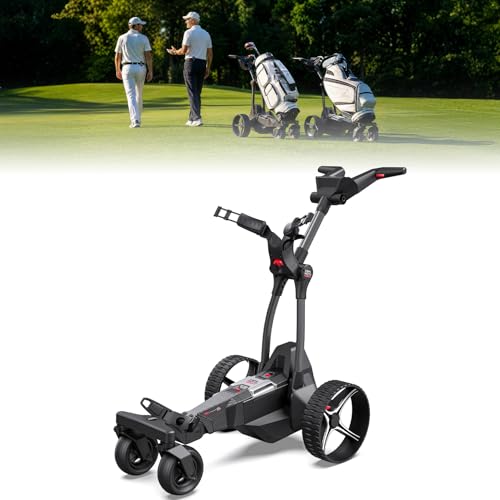
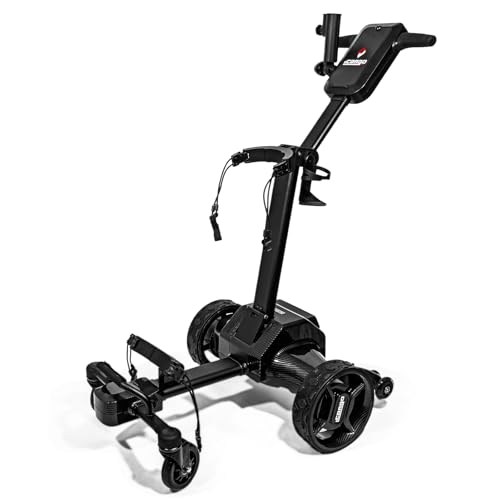
Traditional push carts require constant effort, especially on hilly courses. A self‑following electric golf trolley uses sensors and a remote control to shadow your movements, so you can walk freely with just a lightweight handset or even a clip‑on tag. This hands‑free experience reduces fatigue, preserves energy for late‑round swings, and makes carrying your bag feel almost weightless.
Golfers who walk regularly benefit from improved golf fitness and mental focus. With a follow‑mode cart, you eliminate the strain of pushing up slopes, allowing you to enjoy the walk and maintain a steady rhythm. It’s not just about convenience—it’s about playing smarter and staying fresh for all 18 holes.
Essential Features to Look For
- Follow distance & speed adjustment: The best models let you set how closely the cart follows and adjust its walking pace to match yours.
- Lithium battery capacity: Look for high‑capacity lithium trolley batteries rated for at least 27 holes per charge. Some offer up to 36 holes on a single charge.
- Stability & downhill control: An electronic braking system keeps the cart from running away on steep slopes. A wide wheelbase and anti‑tip wheel add extra safety.
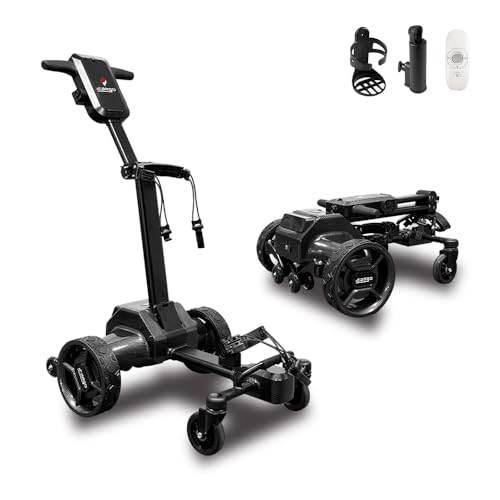
- Folding design: Since electric carts are heavier, a quick‑fold mechanism is vital. Check the folded dimensions to ensure it fits in your trunk.
- Remote control functions: Even with follow mode, a remote control allows you to manually steer the cart around hazards or send it ahead.
Benefits Over Standard Push Carts
While a manual push cart is lighter and cheaper, an electric follower offers undeniable advantages. You’ll never need to push up a hill again, and you can keep both hands free to hold an umbrella, snack, or just relax. Many models also include USB ports for charging your phone or GPS watch mid‑round. For golfers with back or knee concerns, the reduction in physical strain is a game‑changer—using an electric cart can even complement back care for golfers by minimizing repetitive stress.
What to Consider Before Buying
Weight remains a key factor: most electric follow carts weigh between 20 and 30 pounds without the bag. Make sure you can comfortably lift it into your car. Terrain compatibility matters too—if your home course is particularly hilly, look for models specifically rated for hilly courses with powerful motors and low‑center‑of‑gravity designs.
Battery runtime is another critical spec. While a 36‑hole battery is ideal, a 27‑hole capacity covers most rounds with plenty to spare. Also consider the cart’s tracking technology: some use a handheld remote, others rely on a clip‑on sensor. The best remote‑control carts combine both, giving you full command even when you need to navigate tight bridges or paths.
Finally, think about storage and transport. Compact folding and a lightweight frame make a huge difference. If you often travel with your cart, a sturdy golf travel bag or protective cover will keep it safe in transit.
Frequently Asked Questions
How does follow mode actually work?
Most systems use a combination of sensors and a paired remote or wearable tag. The cart tracks the distance and angle of the user, automatically adjusting speed and direction to stay behind you. Some advanced models use AI to learn your walking pattern and avoid obstacles.
Can an electric follow cart handle wet or muddy conditions?
Yes, high‑quality carts come with all‑terrain tires and sealed electronics. They perform well on damp fairways, but it’s wise to check the manufacturer’s weather‑resistance rating. Deep mud or standing water should still be avoided to protect the motor and battery housing.
What is the typical battery lifespan?
Lithium‑ion batteries generally last 3–5 years or around 500–700 full charge cycles. With proper care—avoiding complete discharge and storing at room temperature—you can expect reliable performance for many seasons. Replacement batteries are widely available and can be swapped easily.