
Alignment Stick for Swing Plane: Master Your Path
Learn how two simple alignment sticks can transform your swing plane, eliminate slices and hooks, and deliver the consistency you’ve been looking for.
BEST ALIGNMENT STICKSGolfProAdvice Insight: A repeatable swing plane is the foundation of great ball striking. Alignment sticks are the most affordable, portable, and effective tool for grooving a consistent path – used by tour pros and beginners alike.
Why Swing Plane Matters (And How Alignment Sticks Fix It)
Your swing plane is the angle at which the club travels around your body during the swing. A consistent, on‑plane motion leads to straighter shots, better contact, and predictable ball flight. When the plane is off – too steep, too flat, or looping – you’ll fight slices, hooks, and fat/thin misses.
Alignment sticks give you immediate visual feedback. Placed on the ground or in the ground, they create reference lines that tell your eyes and body exactly where the club should travel. This external focus helps you self‑correct without overthinking mechanics – exactly how swing fundamentals become automatic.
Whether you’re working on driver swing tips to shallow the club or iron swing tips to compress the ball, a pair of sticks can be the difference between guessing and knowing.
How to Use Alignment Sticks for Swing Plane
Alignment sticks are incredibly versatile. Here are three core setups that directly target your swing plane, each building on solid swing fundamentals.
1. The Ground Rail (Path & Alignment)
Place one stick along your toe line, pointing at the target. Place a second stick parallel to the first, just outside the ball, representing your target line. This double‑rail setup shows exactly where the clubhead should travel through impact. It’s a staple in many dedicated alignment stick drills.
2. The Angle Stick (Swing Direction)
Stick a rod into the ground behind you, angled so it mirrors your ideal shaft plane at address. As you swing back and through, the club should trace a path that stays parallel to that stick. This drill is phenomenal for fixing an over‑the‑top move or an excessively flat backswing. Use it alongside driver‑specific drills to tame a slice.
3. The Gate Drill (Low Point Control)
Create a “gate” by placing two sticks just wider than your clubhead, positioned where you want the club to bottom out (just ahead of the ball for irons). This reinforces a forward low point and stops you from flipping. Pair it with iron swing tips to strike the ball then turf, every time.
If you’re looking for more structured practice, we’ve compiled a complete set of alignment stick swing plane drills that progress from beginner to advanced.
Essential Swing Plane Drills You Can Do Today
- Headcover Outside Path Block: Place a headcover (or an extra stick) just outside the ball. If you swing over the top, you’ll hit the headcover. Forces an inside‑out path – perfect for slicers.
- Wall Feel Drill: Stand with your rear end against a wall (or alignment stick held vertically). Keep your trail hip from losing contact in the backswing, preventing sway and maintaining plane.
- Stick Through Belt Loops: Slide a stick through your front belt loops to monitor hip rotation. It’s a simple way to sync body turn with arm swing, a key to on‑plane delivery.
- Target Line Awareness: Lay a stick down 10 feet in front of you, exactly on your target line. Practice starting the ball over it to groove clubface control and path simultaneously.
All of these drills complement advanced techniques like shot shaping and ball flight control, giving you the tools to play any shot on command.
How to Choose the Best Alignment Sticks
Not all sticks are created equal. While you can use simple driveway markers, purpose‑built alignment sticks offer durability, visibility, and smart features that make practice more effective. Here’s what to look for:
- Length: 48‑inch sticks are the standard, providing enough reference without being unwieldy. Some collapsible models break down to fit in your bag.
- Material: Fiberglass is light and durable. Avoid brittle plastic that can snap in cold weather.
- Alignment Markings: Many sticks have printed hash marks or colored sections that let you set precise distances for ball position, stance width, and low‑point drills.
- Visibility: Bright orange, yellow, or black/white stripes make them easy to see against grass or mats.
- Extras: Look for sets that include a carry case, protective end caps, and rubber grips for use as a stretching tool.
Budget‑friendly pairs typically cost $10–$30, while premium sets with alignment markings, cases, and heavier construction run $20–$40. For the best value, we recommend checking our curated list of alignment sticks – all tested for quality and durability. If you’re building a full practice station, consider pairing them with a quality hitting mat and a backyard practice net to maximize your reps. You’ll also find complementary tools in our complete training aids collection.
Common Swing Plane Mistakes (And How Sticks Fix Them)
1. Over‑the‑Top (Steep Transition)
The most common amateur fault. Place an angle stick behind you and practice dropping the club “under” the stick in transition. This promotes a shallow, powerful delivery – exactly the feel you need for consistent ball flight control.
2. Too Flat on the Backswing
A flat backswing forces you to lift at impact. Use the gate drill (two parallel sticks on the ground) to ensure the clubhead stays outside the “gate” going back, then returns inside coming down. This encourages a more upright, on‑plane arc.
3. Early Extension (Humping)
Stick a rod into the ground just touching your trail hip at address. If you lose your posture, you’ll bump the stick. This instant feedback protects your spine angle and keeps the club on plane.
With regular practice, these visual cues become ingrained, allowing you to shape shots on demand – from a controlled fade to a penetrating draw – just like the pros in our shot shaping guide.
Frequently Asked Questions
Can I use alignment sticks indoors?
Absolutely. On a mat or carpet, the ground‑rail and gate drills work perfectly. For safety, use foam‑tipped sticks or set them horizontally. Pair them with a practice net for full‑swing work.
How many sticks do I need?
Two sticks are the sweet spot for most drills. A single stick can still be useful for alignment and mirror work, but a pair unlocks the full potential of path and plane training.
Do alignment sticks help with putting?
Yes! Lay a stick on the ground to ensure your putter face is square at address and your stroke follows a straight path. Check out our putting alignment guide for more short‑game drills.
Are cheap driveway markers just as good?
They work in a pinch, but dedicated alignment sticks offer better stiffness, visibility, and often include measurement markings. The small price difference is worth it for consistent, frustration‑free practice. Browse our recommended alignment sticks to compare.
Best Alignment Sticks for Swing Plane Training
⚠️ AFFILIATE DISCLOSURE: This website contains affiliate links. As an Amazon Associate, we earn from qualifying purchases. If you make a purchase through these links, we may receive a small commission at no additional cost to you. Read our full affiliate policy.

HVDI Golf Alignment Sticks Holder with Angle Adjustment, Golf Training Aid with Golf Alignment Stick, Weighted Golf Swing Training Aid Golf Trainer for Putting, Swing, Aiming (Green)

Golfers Alignment Stick Holder, 48" Collapsible Golf Stick for Aiming

Amy Sport Golf Swing Plane Trainer with Durable Metal (Dark)

Xvolt Golf Alignment Stick Holder - Swing Path Golf Plane Trainer
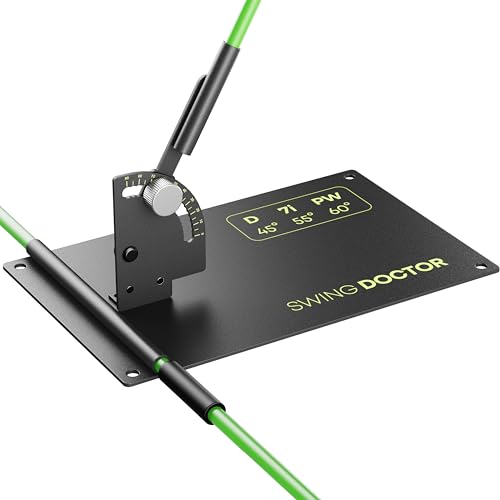
SWING DOCTOR Golf Swing Plane Trainer – Adjustable Alignment Stick Holder

HRUIYL Golf Alignment Sticks Holder – Golf Swing Plane Trainer with 3 Alignment Sticks, Heavy Duty Metal Base Plate, Adjustable Golf Swing Training Aid for Swing Path, Posture & Alignment

AJOFIEK Adjustable Golf Alignment Rod Holde with Angle Base - A Swing Plane Training Aid for Practice Ranges, A Golf Practice Rod Locator for Correcting Posture

Golf Swing Training Aid - Alignment Discs & Rods | Corrects Setup, Posture, Swing Plane & Path to Fix Slice and Hook | Achieve Consistent Contact, Increase Distance & Accuracy
Disclaimer
GolfProAdvice provides educational content only. Not a substitute for professional golf instruction. Always warm up properly before playing and consult a golf professional for personalized swing advice. Some content may use AI. We are not responsible for injuries or equipment issues. By using this site, you accept these terms. If you do not agree, please leave this website and discontinue its use. Read full disclaimer.