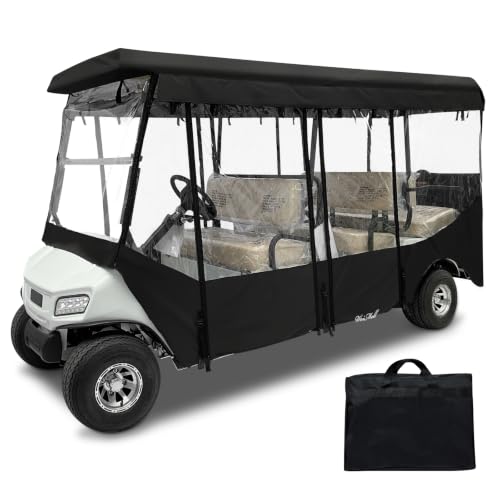
6 Passenger Golf Cart Enclosure: Your Ultimate Buying Guide
Discover how the right enclosure transforms your six‑seater golf cart into a weatherproof, comfortable ride for all seasons. Compare materials, door styles, and must‑have features before you buy.
VIEW TOP ENCLOSURESQuick Take: A high‑quality 6 passenger golf cart enclosure extends your cart’s usability year‑round, shields passengers from rain, wind, and sun, and can even increase resale value. Expect to invest between $300 and $1,200 depending on material, brand, and features.
Six‑passenger golf carts are popular for resorts, large properties, family outings, and commercial shuttles. Without an enclosure, passengers are exposed to the elements. A properly fitted enclosure adds protection, improves comfort, and reduces fatigue during long rides. Whether you own an E‑Z‑Go, Club Car, Yamaha, or Icon, there’s a custom or universal solution built to last.
Why Invest in a 6 Passenger Golf Cart Enclosure?
All‑Weather Protection
Heavy‑duty vinyl and waterproof zippers keep rain, snow, and UV rays out. Some models include tinted windows that reduce glare and interior heat.
Extended Riding Season
With a full enclosure, chilly autumn mornings and light winter precipitation no longer cancel your round or community cruise.
Improved Passenger Comfort
Block cold wind and road noise, making conversations easier and the ride more enjoyable for all six occupants.
Protection for Cart Interior
Enclosures help prevent fading, cracking, and moisture damage to seats, dash, and electronics, reducing long‑term maintenance costs.
Types of 6 Passenger Golf Cart Enclosures
Choosing the right style depends on how you use your cart. Here are the most common configurations:
- Full Enclosure with Sliding Doors: Offers the best weather seal. Sliding doors allow easy entry without swinging outward – a huge advantage in tight parking spaces. Explore our in‑depth sliding door enclosure guide.
- Zip‑Up Soft Enclosures: Lightweight, budget‑friendly, and easy to install. Doors and panels zip open/closed; ideal for occasional use.
- Hard‑Shell Cab Enclosures: Durable, lockable, and often insulated. Typically more expensive and permanent, suited for street‑legal carts used daily.
- 3‑Sided vs. 4‑Sided: A 3‑sided enclosure covers front, sides, and rear while leaving the back open; great for moderate climates. Four‑sided designs with a rear panel offer complete protection.
Many premium enclosures use roll‑up or zip‑out window panels so you can adjust ventilation instantly. Some also incorporate built‑in screens to keep bugs out while parked.
Material & Weather Resistance Explained
The longevity and performance of an enclosure depend heavily on materials. Look for these key terms when comparing products:
- Marine‑Grade Vinyl (30‑40 oz): Industry standard for high‑end enclosures. UV‑stabilized, mildew‑resistant, and maintains flexibility in freezing temperatures.
- Polyester with PVC Backing: Common in mid‑range models. Lightweight and water‑resistant but may fade faster under prolonged sun.
- Clear PVC Windows: Opt for double‑polished, UV‑treated windows that resist yellowing and cracking. Thicknesses of 0.30 mm to 0.40 mm are typical for durability.
- Zippers & Stitching: Self‑healing YKK zippers and double‑stitched seams with waterproof thread greatly increase service life.
Additional accessories such as rain gutters, storage boots, and window cleaners can further protect your investment.
Installation: Custom vs. Universal Fit
Enclosures are either vehicle‑specific or universal. Here’s what to expect:
- Custom‑Fit Enclosures: Designed for exact makes and models (e.g., Club Car Villager 6, Yamaha Drive2 PTV). Taut fit, factory‑style appearance, and minimal flapping. Installation usually requires no drilling; straps and hook‑and‑loop attachments secure the cover to existing roof struts and seat frames.
- Universal Enclosures: Adjustable to fit a range of 6‑passenger carts. Less expensive but may require additional straps or minor modifications for a snug fit.
Always verify dimensions (overall length, roof width, wheelbase) before ordering. Most manufacturers provide sizing charts; allow 15–45 minutes for the first installation.
Must‑Have Features for the Best Experience
Roll‑Up Windows & Panels
Switch between open‑air cruising and full weather protection in seconds. Roll‑up straps keep panels tidy when not in use.
Reflective Safety Piping
Enhances visibility at dusk or on public roads, a vital feature for street‑legal neighborhood carts.
Storage Boot Window
A rear window that unzips and folds down lets you access the cargo area without removing the entire enclosure.
Zippered Entry Door Panels
Separate zippers for front and rear passengers make boarding effortless. Look for double‑sided zipper pulls.
If you frequently travel at higher speeds (e.g., street‑legal LSV models), ensure the enclosure is rated for highway‑like wind loads. Some companies offer reinforced tension straps for added stability.
Top Brands for 6 Passenger Enclosures
The market includes several reputable manufacturers. Door Works enclosures are particularly popular for their precise fit and heavy‑duty vinyl. Classic Accessories, Formosa Covers, and 10L0L also produce well‑reviewed universal options. For premium custom builds, many owners turn to the same brands that serve golf courses and resorts.
When comparing, check warranty length (typically 1–5 years on materials) and whether the set includes a storage bag. A bag helps prevent creasing and mildew during the off‑season.
How Much Does a 6 Passenger Golf Cart Enclosure Cost?
Prices span a wide range based on material, brand, and included panels. Here’s a realistic breakdown:
- Budget Universal Kits ($300 – $500): Polyester blends with PVC windows. Good for occasional light weather use.
- Mid‑Range Custom‑Fit ($550 – $900): 30 oz marine‑grade vinyl, UV‑treated windows, sliding or roll‑up doors. The sweet spot for most private owners.
- Premium Hard‑Shell & Deluxe Soft Enclosures ($1,000 – $1,500+): Thick 40 oz vinyl or rigid composite panels, tinted windshield, integrated screens, and extensive warranty. Ideal for daily commercial or street‑legal use.
Remember, a quality enclosure protects far more than it costs: replacing a sun‑faded seat or rain‑damaged electronics can easily exceed the price of a mid‑range enclosure.
Simple Care & Maintenance Tips
- Clean vinyl with mild soap and warm water; avoid harsh chemicals that degrade UV coatings.
- Use a plastic window cleaner (e.g., Plexus) on clear panels to prevent scratches and clouding.
- Dry completely before storing to prevent mildew. Store in a protective bag out of direct sunlight.
- Lubricate zippers periodically with silicone spray to prevent binding.
Frequently Asked Questions
Will a 6 passenger enclosure fit any brand of cart?
Universal enclosures fit many models, but for a perfect, rattle‑free fit, a custom enclosure made for your specific brand and year is recommended. Measure roof length, width, and side height before purchasing.
Can I still fold the windshield with an enclosure installed?
Most enclosures are designed to work with a full, fixed windshield. If you have a fold‑down windshield, you may need a windshield adapter or choose a model that accommodates it – check the manufacturer’s notes.
How long does an enclosure typically last?
A quality marine‑grade enclosure stored properly can last 5–7 years. Polyester models may last 2–4 years with regular use and sun exposure.